Why probate matters when you sell
When someone dies, the person dealing with their estate usually needs legal authority before they can sell a house that was in the deceased's sole name. If there's a will, the executor applies for a grant of probate. If there isn't, the next of kin applies for letters of administration. Either grant does the same job for a sale: it proves to the buyer's solicitor and to HM Land Registry that you have the right to transfer the property.
Not every property needs it. A house owned jointly as ‘joint tenants’ usually passes automatically to the surviving owner, who can then sell it without a grant. A share owned as ‘tenants in common’ forms part of the estate, so it does. If you're not sure how the property was owned, the estate's solicitor can check the title quickly.
Source: Applying for probate (GOV.UK)
What you can do before the grant
The grant is the one thing a sale can't do without, but almost everything else can happen while you wait. Executors who get these steps done early are the ones who complete quickly.
- Secure and insure the house. Tell the insurer the owner has died and the house is empty. Many policies have conditions for unoccupied homes, such as regular inspections or the water being turned off.
- Get it valued. You'll need a date-of-death value for the estate anyway. Two or three valuations also give you a realistic idea of what it will sell for.
- Deal with the contents. Agree with the family what's being kept, sold or cleared. Some buyers, including us, will take a house with contents left in it by agreement.
- Market it and agree a sale. You can accept an offer before the grant. Tell the agent and the buyer exactly where you are with probate, so nobody plans around a date you can't meet.
- Instruct a solicitor. They can gather the title deeds, answer the buyer's enquiries and prepare the contract, so it's ready to sign the day the grant arrives.
Keep beneficiaries informed as you go. Executors make the decisions, but a family that knows the plan and the likely timings is far less likely to dispute the price or the buyer later.
What has to wait for the grant
Completion has to wait. Without the grant, the executor can't legally transfer the house, so the buyer's solicitor won't release the money and the Land Registry won't register the new owner.
Exchange usually waits too. Exchanging contracts commits both sides to a completion date. Most solicitors won't let an executor exchange until the grant is in hand, because nobody can promise a completion date without it. In practice, the sequence is: grant arrives, contracts are exchanged, completion follows.
That's why the buyer you choose matters. A buyer in a chain, or one relying on a mortgage offer that may expire, can drop out while you wait for the grant. A buyer with the money ready can wait, and then move as soon as you can.
How long probate takes
Before you apply, you'll need to value the estate and, if Inheritance Tax is due, deal with HMRC first. After you apply, GOV.UK says you should usually get the grant within 12 weeks, and it can take longer for paper applications or if there are questions about the will.
| Stage | What happens | Timing to know |
|---|---|---|
| Value the estate | List the house, savings and other assets; work out if Inheritance Tax is due | Depends on the estate. Start the house valuation early |
| Inheritance Tax | If any is due, at least some usually has to be paid before probate is granted | Due by the end of the sixth month after the death; interest is charged after that |
| Apply for probate | Online or by post, with the will and estate details | Usually within 12 weeks of applying (GOV.UK); paper applications take longer |
| Exchange and complete | The contract that's been waiting is signed; the money moves | With a ready cash buyer, typically weeks rather than months |
Inheritance Tax and the timing squeeze
If Inheritance Tax is due, it has to be paid by the end of the sixth month after the death, and interest is added after that. But the house often can't be sold until probate is granted, and probate usually can't be granted until at least some of the tax has been paid. Some estates bridge the gap using money in the deceased's bank accounts, which banks can release straight to HMRC. Others pay in instalments where that's allowed on property, or use a loan. The estate's solicitor or accountant will tell you which route applies.
Estate agent or cash buyer?
Open-market marketing gives the best chance of the highest price, especially for a house in good condition that a buyer can mortgage. The trade-offs are time, fees and the risk of a chain or mortgage falling through while you wait for the grant.
Estate properties are often dated, need work, or have stood empty, which can make them hard to mortgage. A cash buyer takes the house as it is and can fit the sale around the probate timetable: agreeing terms now, exchanging as soon as the grant arrives, and completing quickly or later if the family needs time. Get an agent's valuation too and compare. Our step-by-step guide for executors covers the whole process.
What to do next
- Check how the house was owned, and whether you need a grant to sell it.
- Insure the empty house properly and get a date-of-death valuation.
- Instruct a solicitor and start the probate application.
- Get an estate agent's valuation and a cash offer, and compare them.
- Agree a sale with a buyer who can wait for the grant, then exchange as soon as it arrives.
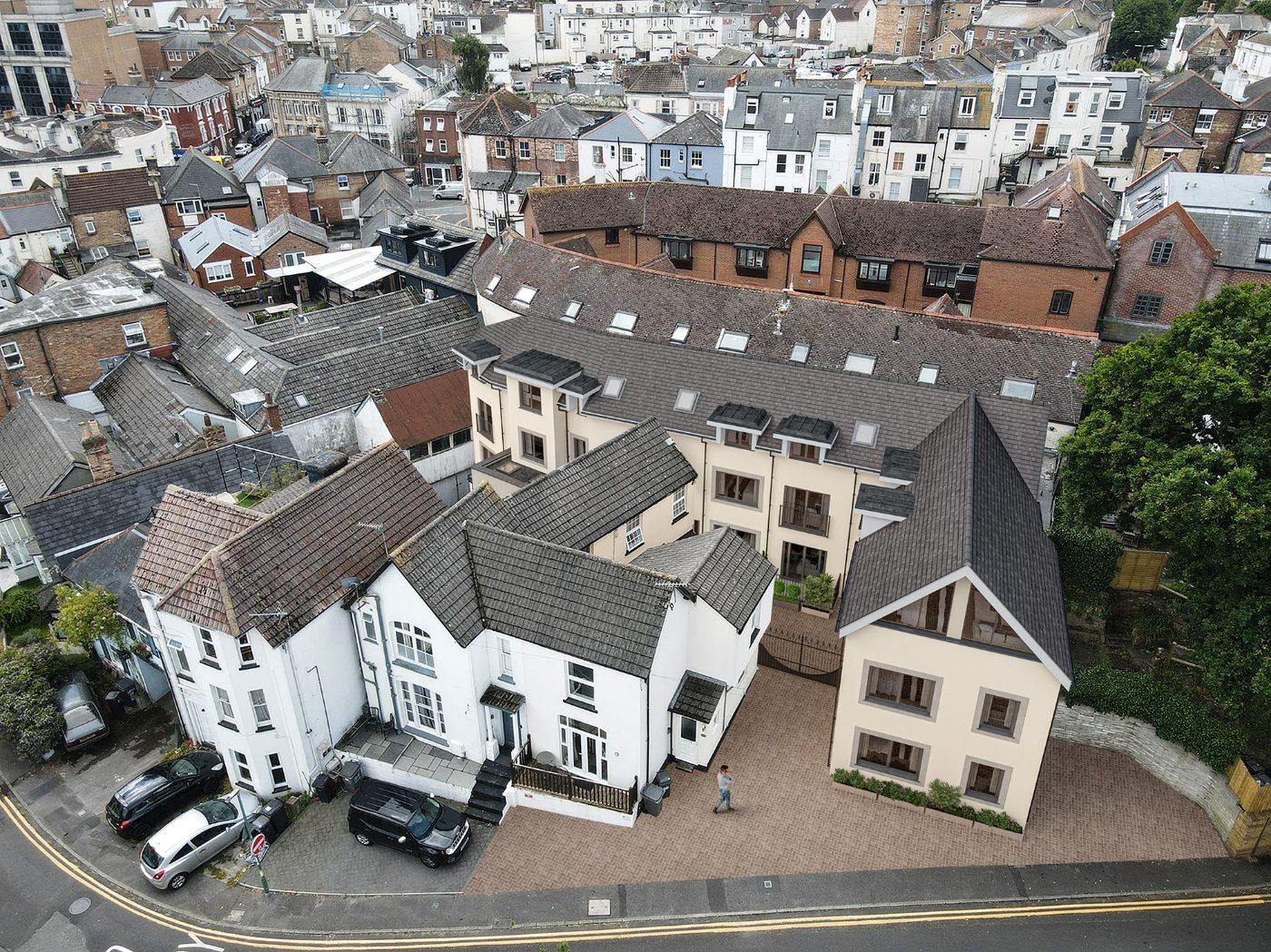
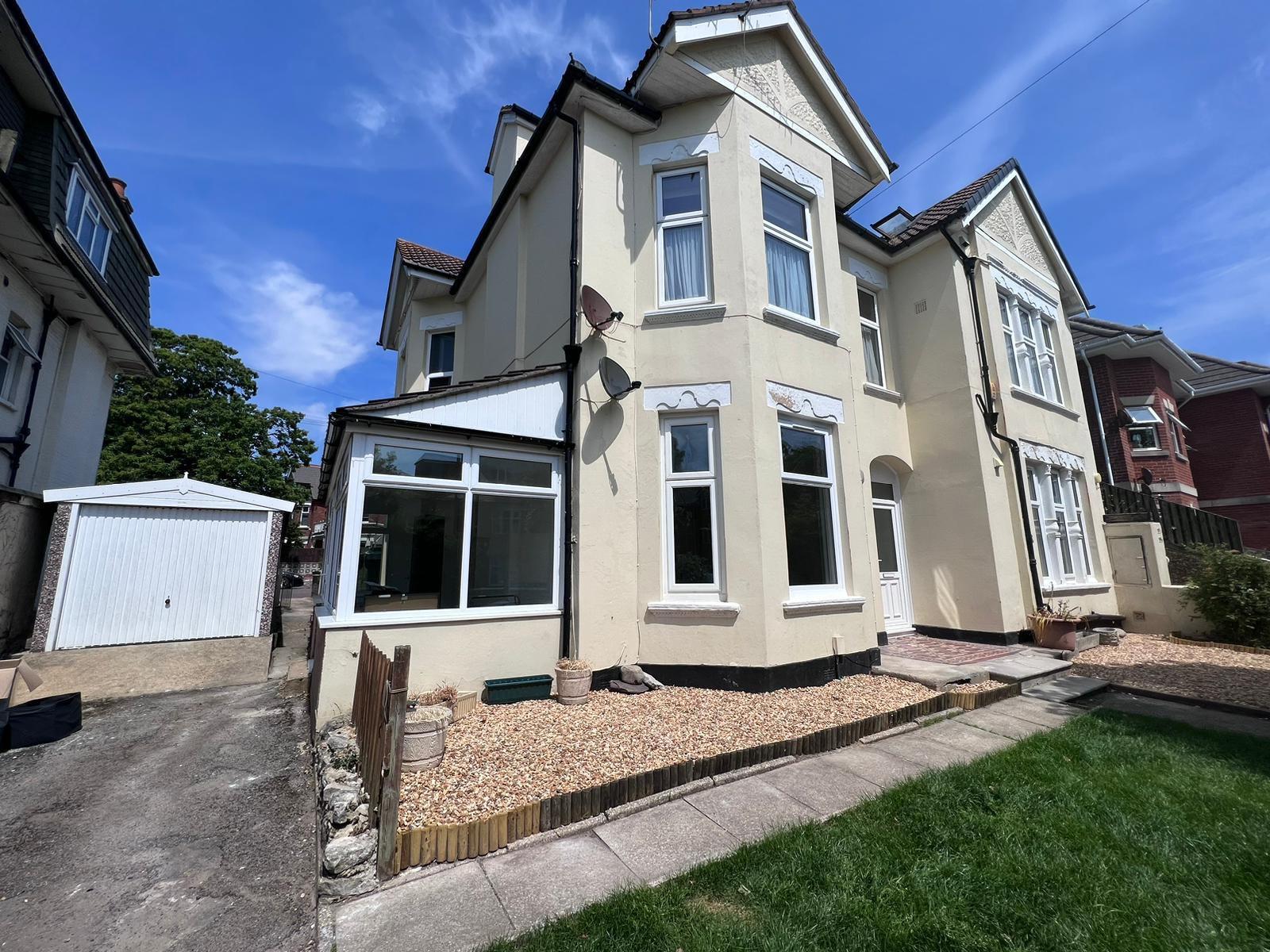
If you're an executor for a house or flat in Bournemouth, Poole, Christchurch or the surrounding towns, we're happy to talk it through, even before you've applied for probate. See our probate property page, and Argyll Road, a probate purchase where we exchanged quickly and delayed completion.