What changed
The Renters' Rights Act 2025 reformed private renting in England. The main changes for landlords who want to sell came into force on 1 May 2026:
- Section 21 has ended. Landlords can no longer end a tenancy without giving a legal reason.
- Tenancies are periodic. Fixed terms have been replaced by rolling tenancies.
- Possession needs a ground. To get a property back, a landlord must rely on one of the grounds in law, including a new ground for selling.
How the selling ground works
| Rule | What it means |
|---|---|
| Notice | Four months' notice to the tenant |
| Timing | Can't be used in the first 12 months of a tenancy |
| Afterwards | The property can't be re-let or marketed to let for 12 months |
| If the tenant doesn't leave | You'll need a possession order from the court |
Government guidance for landlords sets out each ground for possession, the evidence needed and the notice periods.
Source: Grounds for possession: guidance for landlords and letting agents (GOV.UK)
The 12-month bar on re-letting is there to stop the selling ground being used as a back-door eviction. If you serve notice to sell and then change your mind, you can't simply find new tenants straight away.
The case for selling with tenants in place
With vacant possession now slower and more formal to obtain, many landlords are choosing to sell with the tenancy continuing. The buyer takes over the tenancy and deposit at completion. You avoid the notice period, the risk of a court process, and months of an empty property with no rent.
The trade-off is the buyer pool: tenanted properties mostly sell to investors, who base their price on the rent and the condition. For many landlords, the time and certainty saved outweigh the difference. Our guide to selling a tenanted property covers the practical steps.
Getting ready to sell
- Gather the tenancy agreement, deposit protection details, gas and electrical safety certificates and the EPC.
- Prepare a rent statement and note any arrears or disputes.
- Decide whether you'll sell with tenants in place or serve notice under the selling ground.
- Talk to your tenants early: they'll be more cooperative with viewings if they know what's happening.
- Ask your accountant about Capital Gains Tax, which for UK residential property is usually reported and paid within 60 days of completion.
Local examples
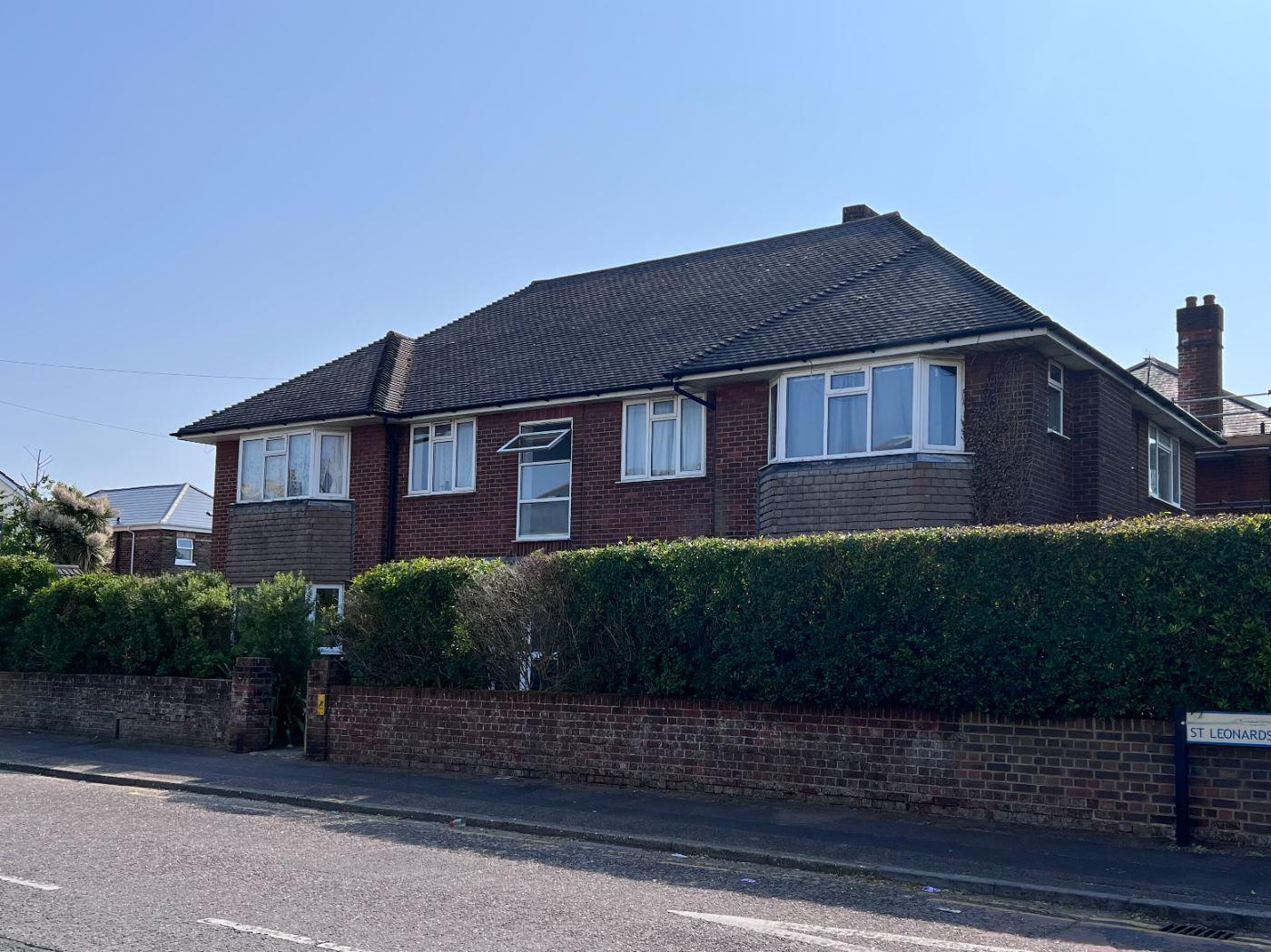
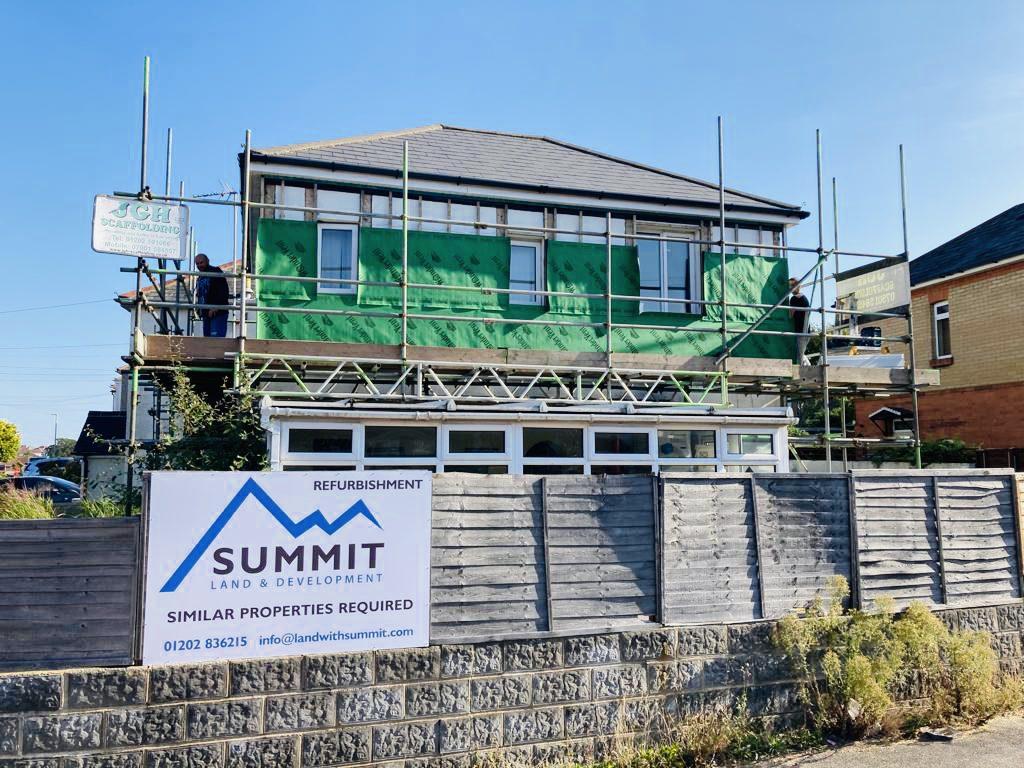
We bought a detached house in Oakdale with tenants in situ, exchanging within three days and completing within two weeks, at Dorchester Road. In Charminster, a partner agent introduced a freehold block of four flats, all tenanted, at St Leonards Road; we bought the block and refurbished each flat as it became vacant.
Planning a sale under the new rules
| If you want to… | What it means |
|---|---|
| Sell with vacant possession | Serve four months' notice under the selling ground (not in a tenancy's first 12 months); be prepared for a court process if the tenant doesn't leave |
| Sell with tenants in place | No notice; the tenancy transfers to the buyer at completion |
| Wait and sell later | Tenancies are periodic; you can still sell with the tenant in place at any time |
If you serve notice to sell and then don't, you can't re-let or market the property to let for 12 months. Decide which route you're taking before you serve notice.
Records buyers will check
- The written tenancy terms and any changes since 1 May 2026.
- Deposit protection details.
- Gas safety, electrical safety and energy performance certificates.
- Rent history, including any rent increases and how they were made.
- Any notices served, complaints or repair requests.
An investor buying with the tenancy continuing is taking on your compliance record, so good paperwork helps both speed and price.
If you have several properties, you don't have to sell them all at once or all the same way. Some landlords sell the hardest-to-manage units with tenants in place and keep the rest.
Common questions from landlords
Can I serve notice to sell and then sell with the tenant still there? Yes. You don't have to wait for the tenant to leave before selling; the tenancy can transfer to the buyer.
Does the selling ground apply to selling to a family member? Government guidance for landlords sets out how each ground works and the evidence you may need. Take advice on your specific situation before serving notice.
Can I offer the tenant money to leave? Some landlords agree a voluntary surrender with their tenant. It must be genuinely voluntary and properly documented; take legal advice.
Source: Grounds for possession: guidance for landlords and letting agents (GOV.UK)
Tax when you sell
Selling a rental usually means Capital Gains Tax on the gain, reported and paid within 60 days of completion for UK residents. For 2026/27, gains are taxed at 18% within the basic-rate band and 24% above it, after a £3,000 annual exempt amount. Our guide to Capital Gains Tax on a second home or rental explains the basics.
Should you sell or keep letting?
The new rules haven't stopped landlords letting, but they've changed the sums for some. Things to weigh up include the rent you're getting compared with what the property would sell for, the condition and likely costs of meeting current standards, how much time you want to spend managing it, and your tax position. If you decide to sell, selling with the tenant in place is often the simplest route.
What to do next
If you're thinking about selling a rental in Dorset or Hampshire, we'll give you a price with tenants in place, and with vacant possession if you'd like to compare. See our landlords page.