Who buys blocks and portfolios
- Investors who want the rental income and will keep the tenancies running.
- Developers who see value in refurbishing, reconfiguring or splitting the titles.
- Local cash buyers who can buy quickly and take on mixed condition or mixed tenancies.
Most owner-occupiers can't buy a whole block, and many lenders treat blocks and multi-unit purchases as commercial, which narrows the market further. That's why a buyer with their own funds can be valuable here.
How a block is valued
| Approach | Based on | When it's used |
|---|---|---|
| Investment value | The rent and the return an investor wants | Fully let blocks with stable tenancies |
| Break-up value | What the flats would sell for individually, less costs and time | Blocks where titles can be split and flats sold |
| Development value | What could be done with the building or site | Blocks needing major work or with space to add |
Ask any buyer which approach they're using and why. The right answer depends on the building and the tenancies.
Splitting titles
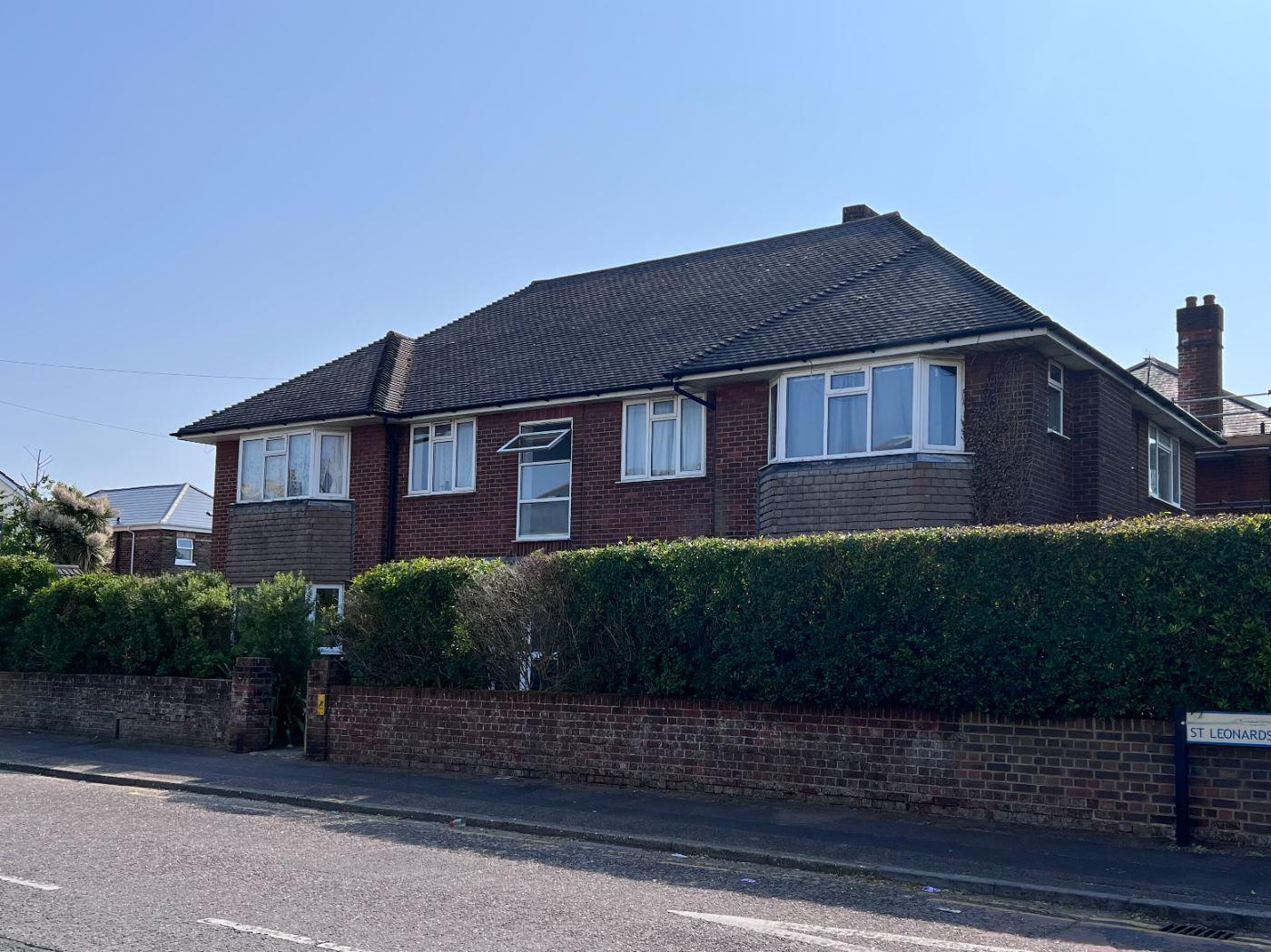
If a freehold block has no individual leases, each flat can't be sold on its own until leases are granted and registered. That takes legal work, and sometimes works to the building, which is why many owners prefer to sell the whole block to a buyer who'll handle it. At St Leonards Road in Charminster, we bought a tenanted freehold block of four two-bedroom flats from a local investor, refurbished each flat as it became vacant, then split the titles and sold the flats individually.
The paperwork buyers will ask for
- A schedule of units, rents, tenancy start dates and deposit protection.
- Gas, electrical and fire safety certificates, and EPCs.
- Any licences, such as HMO licensing, where they apply.
- Building insurance, service and maintenance records.
- Details of any arrears, disputes or notices served.
Since 1 May 2026, getting vacant possession in England means using a legal ground such as the selling ground, with four months' notice. Selling with tenants in place avoids that entirely. See the Renters' Rights Act and selling your rental.
Tax
Selling several properties can create a significant Capital Gains Tax bill, and the timing across tax years can matter. For UK residential property, gains are usually reported and paid within 60 days of completion. Take advice early, especially if the properties are held in a company or jointly.
Source: Report and pay Capital Gains Tax on UK property (GOV.UK)
One sale or several?
| Sell as one lot | Sell unit by unit | |
|---|---|---|
| Speed | One set of legal work | Several sales, often months apart |
| Price | Reflects investor or break-up value, less the buyer's costs and risk | Can be higher in total if the market is strong |
| Work for you | Low | High: tenants, viewings, leases, voids |
| Leases | Not needed if sold as a freehold block | Usually needed before flats can be sold separately |
There's no single answer. If time and simplicity matter, one sale to one buyer is usually best. If you have time and the flats are in good order with leases in place, selling individually can raise more.
What makes a block easier to sell
- Up-to-date fire risk assessment and safety certificates.
- Clear information on the roof, structure and any major works due.
- A schedule of tenancies, rents and deposits.
- Building insurance and claims history.
- Any planning or building control paperwork for past conversions.
At Argyll Road in Boscombe Spa we bought a freehold block of three flats from an estate needing a quick exchange with a delayed completion, then refurbished and let them.
Timeline for a portfolio sale
| Stage | What happens |
|---|---|
| Information | You share addresses, rents, tenancies and condition |
| Viewing | The buyer inspects, with notice to tenants |
| Offer | A price for the whole portfolio, or for individual units |
| Legal work | Titles, tenancies, deposits, certificates and any leases checked |
| Exchange and completion | Often together, or with a delayed completion to suit you |
A straightforward portfolio with good paperwork can move quickly. Mixed titles, missing certificates or disputes take longer, so it's worth gathering documents before you approach buyers.
Tax planning before you sell
Selling several properties can mean a large Capital Gains Tax bill, and the 60-day reporting rule applies to each UK residential sale. If properties are held jointly, each owner has their own annual exempt amount; if they're held in a company, different rules apply. Spreading sales across tax years can sometimes help. Speak to an accountant before agreeing a date.
Source: Capital Gains Tax rates and allowances (GOV.UK)
Agents and introducers: we work with partners who bring us portfolios on behalf of clients. See agents and introducers.
Questions to ask a portfolio buyer
- Will you buy all the properties, or only some?
- Are you buying with tenants in place?
- Is the money yours, or do you need commercial finance?
- How will you value each property, and can you show your figures?
- How quickly can you exchange, and can completion be delayed?
A buyer who funds the purchase themselves and can explain their pricing is usually the safest choice for a portfolio sale.
What to do next
Send us a list of addresses, rents and tenancy types and we'll tell you quickly whether we'd buy the lot, or some of it. We fund our purchases ourselves, so there's no lender to wait for. See our landlords page or agents and introducers if you're bringing a portfolio on behalf of a client.