Two ways to sell a rental
| With tenants in place | With vacant possession | |
|---|---|---|
| Buyers | Investors and landlords | Anyone, including owner-occupiers |
| Price | Reflects the rent and investor demand | Usually the full open-market value |
| Time | No notice period | Notice period plus marketing; voids while empty |
| Risk | Low; rent keeps coming in | Notice can be challenged; property may sit empty |
How a tenanted sale works
When you sell with tenants in situ, the buyer steps into your shoes as landlord at completion. Your solicitor will transfer the tenancy agreement, details of the deposit and where it's protected, safety certificates and a rent statement. The buyer will want to see that the tenancy has been run properly, so having those documents ready speeds things up.
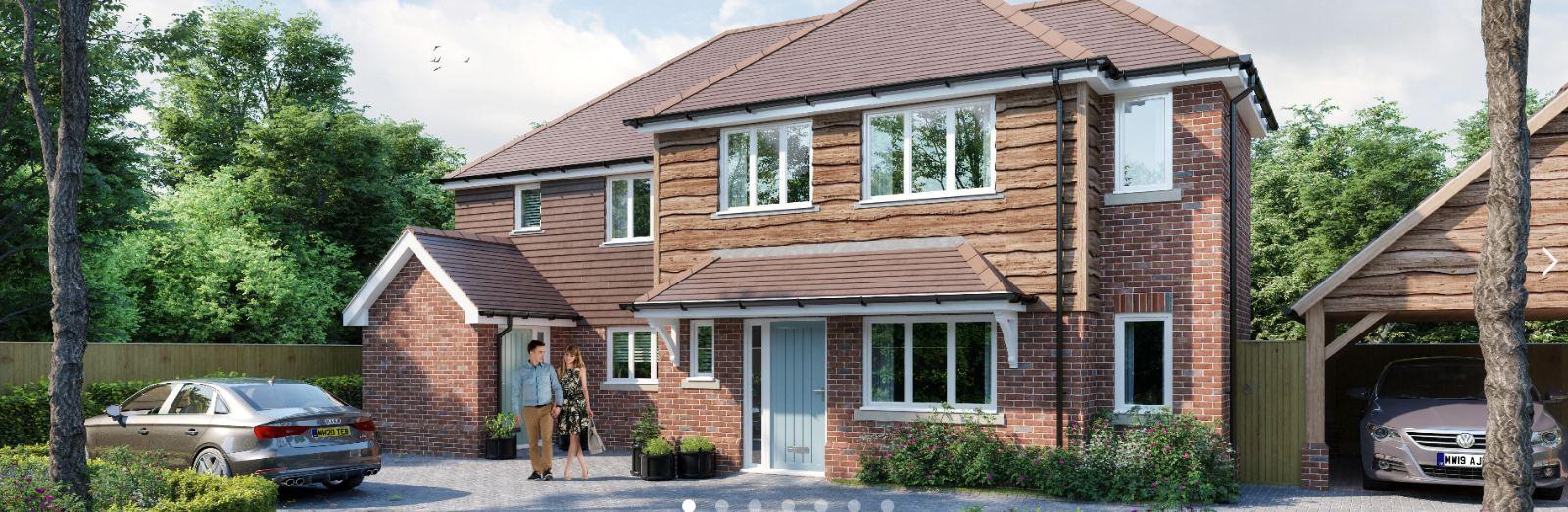
At Dorchester Road in Oakdale, a detached house was offered to us with tenants in situ and needed a quick transaction. We exchanged within three days and completed within two weeks.
If you want vacant possession
The Renters' Rights Act 2025 changed the rules in England. Since 1 May 2026, ‘no-fault’ section 21 notices have ended and tenancies run on a rolling basis. A landlord who wants vacant possession to sell must use the new selling ground: it needs four months' notice, can't be used in the first 12 months of a tenancy, and the property can't then be re-let or marketed to let for 12 months.
Source: Guide to the Renters' Rights Act (GOV.UK)
Source: Grounds for possession: guidance for landlords and letting agents (GOV.UK)
We explain the changes in more detail in the Renters' Rights Act and selling your rental.
Tax when you sell
If you're a UK resident selling residential property that isn't your home, you'll usually need to report and pay any Capital Gains Tax within 60 days of completion. Our guide to Capital Gains Tax on a second home or rental covers the basics; speak to your accountant about your position.
Source: Report and pay Capital Gains Tax on UK property (GOV.UK)
Tell your tenants what's happening early. A buyer may want to view, and cooperative tenants make that much easier.
How investors price a tenanted property
An investor buying with tenants in place looks at the rent, the condition of the property, the tenancy history and what the property would be worth with vacant possession. A long-standing tenant paying a fair rent on time is an asset. Arrears, disrepair or a rent well below the market all reduce the price, because the buyer takes on the work and the risk.
Having clear records helps: a rent statement, the deposit protection certificate, safety certificates and any correspondence about repairs. Gaps in the paperwork make buyers cautious.
Telling your tenants
- Tell them early and explain that selling with them in place means their tenancy continues with the new landlord.
- Agree how viewings will work, giving proper notice and respecting their home.
- Make sure their deposit details are correct, as they'll pass to the buyer.
- Introduce the new landlord after completion, with details of where to pay rent.
Cooperative tenants make for a smoother sale and a better price. Most are relieved to hear they don't have to move.
Selling a portfolio or a block? See selling a block of flats or a rental portfolio.
Vacant possession or tenants in place: a worked comparison
| Vacant possession | Tenants in place | |
|---|---|---|
| Notice period | Four months under the selling ground (not in the first 12 months of a tenancy) | None |
| Rent during the process | Lost once the property is empty | Continues until completion |
| Court risk | If the tenant doesn't leave | None |
| Buyer pool | Owner-occupiers and investors | Mainly investors |
| Typical price | Full open-market value | Investor value, often lower |
Add up the lost rent, holding costs and time for each route, then compare with the price difference. For many landlords, especially those with long-standing tenants, selling with the tenancy continuing is the simpler choice.
Source: Grounds for possession: guidance for landlords and letting agents (GOV.UK)
Local examples
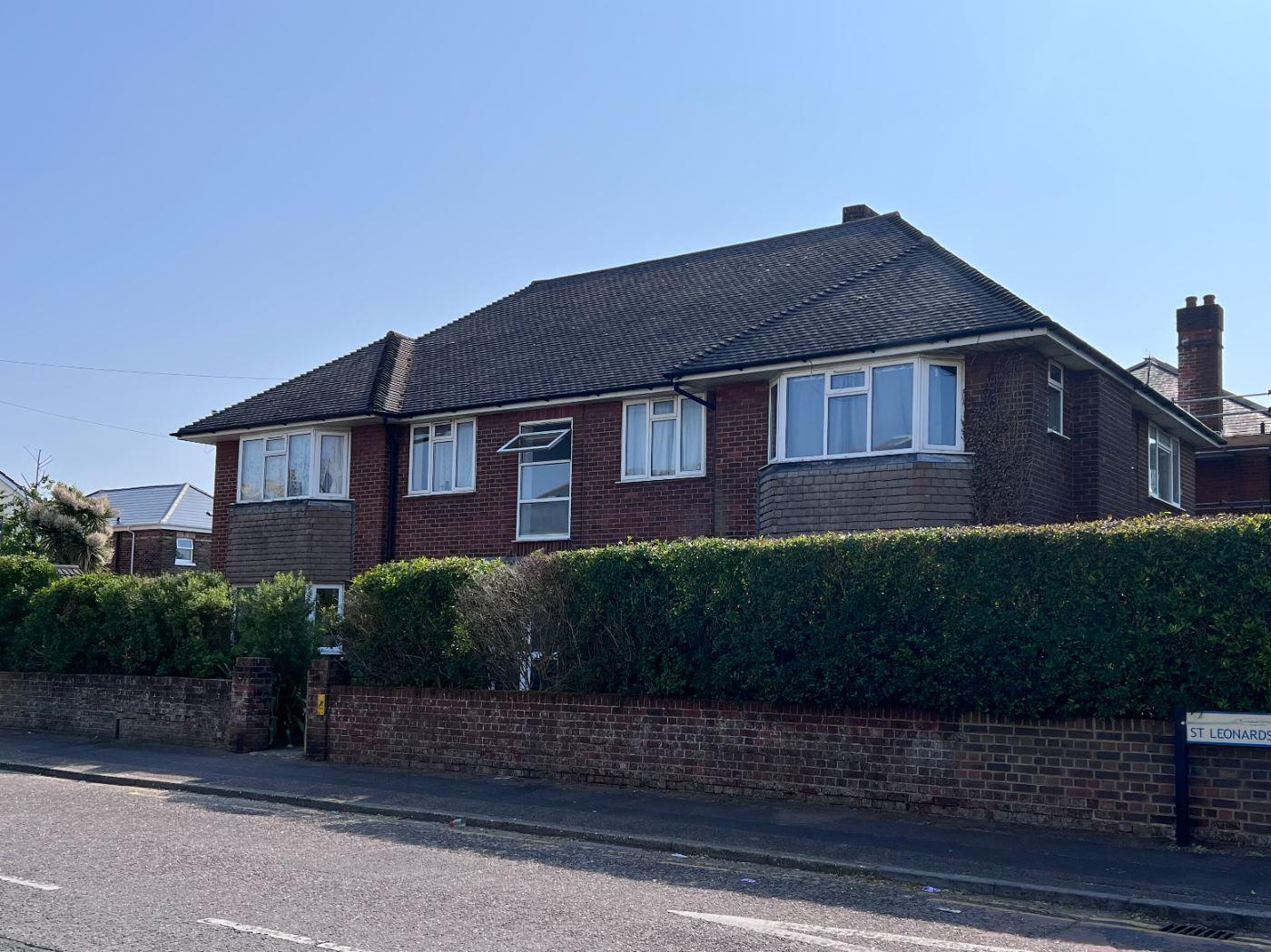
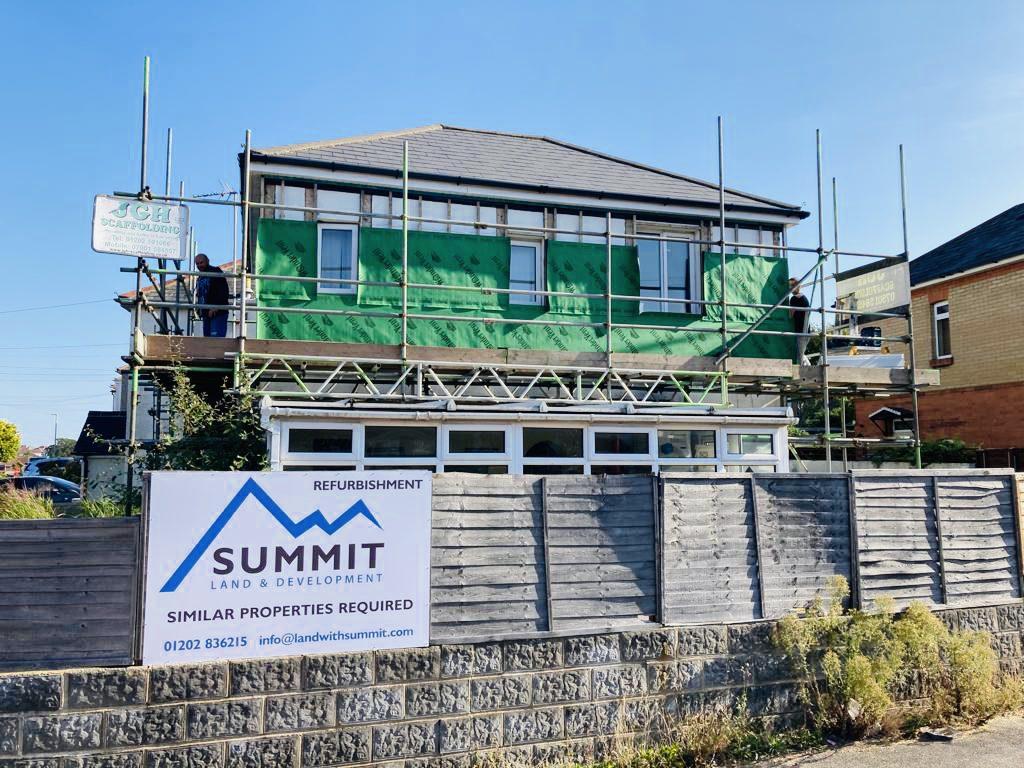
At Turbary Park Avenue, a partner agent brought us a house from a landlord who had rented it out for over ten years and wanted a clean exit; we bought with vacant possession, refurbished it and sold it to BCP Council. At St Leonards Road in Charminster, we bought a freehold block of four flats with tenants in place from a local investor.
Selling a single let versus several
A single tenanted house or flat is usually straightforward: one title, one tenancy, one set of certificates. Several properties can be sold together or separately. Selling them as one lot to one buyer is quicker and saves you repeating the legal work, while selling individually can suit landlords who want to keep some properties or sell over more than one tax year. There's more on this in selling a block of flats or a rental portfolio.
Whatever you're selling, start by gathering the tenancy agreements, deposit details, rent statements and safety certificates for each property. That one step does more than anything else to speed up a tenanted sale.
What to do next
We buy houses, flats, blocks and small portfolios across Dorset and Hampshire with tenants in place or with vacant possession, using our own funds. Read our landlords page, or see Turbary Park Avenue, bought from a landlord of over 10 years who wanted a clean exit.