What a cash sale actually is
Most house sales depend on the buyer's mortgage. The lender sends a valuer, sets conditions and only releases money when it's happy, and the buyer often has a house of their own to sell first. Every one of those steps can slow a sale down or end it.
A cash buyer pays from their own funds. There's no lender, so no mortgage valuation, no down-valuation and no conditions about the state of the property. If the buyer isn't selling anywhere else, there's no chain either. What's left is the legal work your solicitor and the buyer's solicitor would do in any sale: checking the title, answering enquiries and preparing the contract.
That's why a cash sale can be quick. It isn't that steps are skipped; it's that the steps most likely to cause delay simply don't exist.
Who buys houses for cash
Cash buyers come in a few types, and it's worth knowing which one you're talking to.
- Private buyers with money in the bank, such as downsizers who've already sold. They pay full market value but may still want a survey and may change their mind.
- Local developers and investors, like us. We buy to refurbish, let or redevelop, so we price in the work and the risk, but we decide quickly and don't need anyone else's approval.
- National ‘we buy any house’ companies. Some buy with their own money. Others are introducers who sign you up and then look for an investor to pass the deal to.
The last group is where most problems come from, so ask directly: are you the buyer, and is the money yours?
How the offer is worked out
A cash buyer who plans to refurbish starts with what the property would be worth once the work is done. They then take off the cost of the work, their buying and selling costs, finance or holding costs and a margin for the risk. What's left is the most they can pay.
That's why a cash offer is usually below the figure an estate agent might put on the property. The gap is bigger for a house that needs a lot of work and smaller for one that's ready to live in. It's also why a good buyer should be able to explain their number, not just state it.
Get a valuation from a local estate agent at the same time as a cash offer. If the gap is small and speed matters, the cash offer may be the better deal once you allow for agent fees, a long wait and the risk of a sale falling through.
How fast can it really go?
GOV.UK says selling a home takes about five months on average, and longer if you're part of a chain. A cash sale can be much quicker because the buyer is ready from day one.
| Stage | Typical cash sale | What decides it |
|---|---|---|
| Offer | Within a day or two of seeing the property | Whether the buyer can view quickly |
| Solicitors instructed | Same week | How quickly you choose a solicitor |
| Exchange of contracts | A few days to a few weeks | The title, any leasehold or probate paperwork |
| Completion | On exchange, or a date that suits you | Your plans, such as an onward purchase |
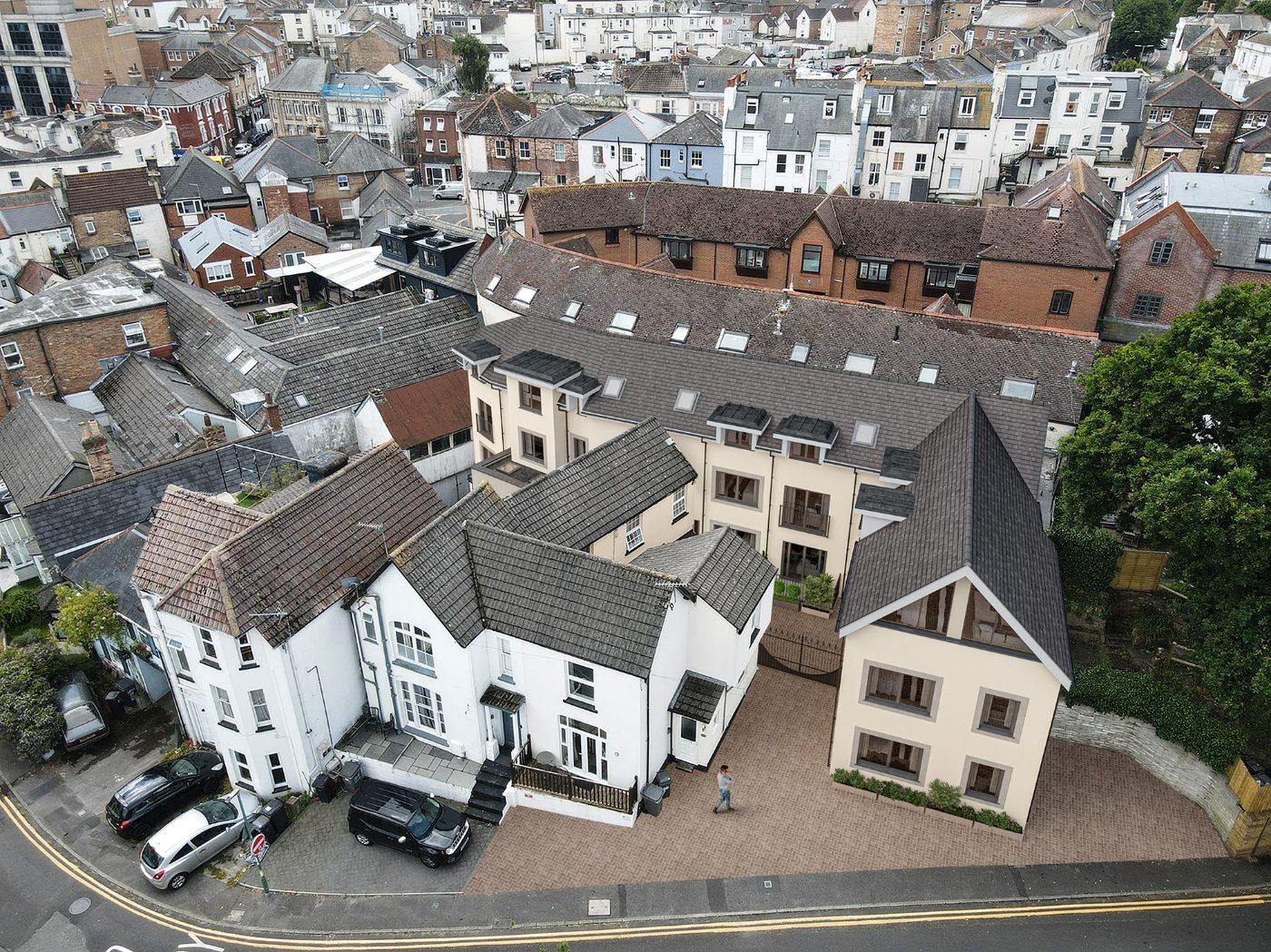
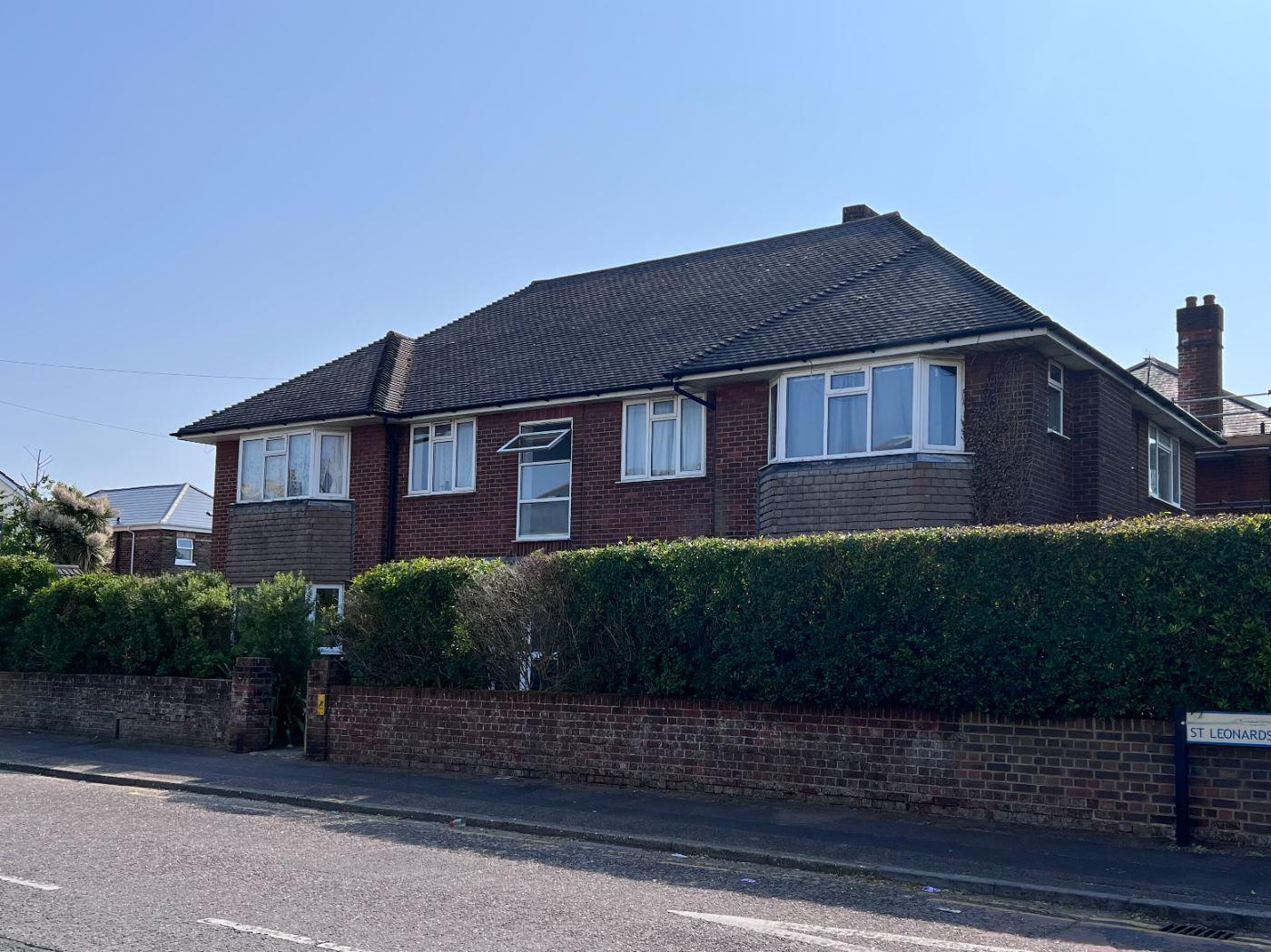
We've completed on a Victorian house in Christchurch in four days, at Grove Road East, and exchanged on a Bournemouth house within weeks while delaying completion until the seller had found his next home, at Bearcross Avenue. Fast is possible, but so is waiting: a good cash buyer works to your timetable, not theirs.
Source: Selling a home (GOV.UK)
Red flags to watch for
Most cash buyers are straightforward. The ones to avoid tend to show the same signs.
- Upfront fees. You shouldn't pay anything to receive an offer.
- A high offer that drops late. Some firms offer a strong figure to win you, then cut it just before exchange when you've stopped talking to anyone else.
- Pressure to sign quickly, or to agree to an exclusivity period that stops you selling elsewhere for months.
- Vague answers about who's buying. If they can't name the buyer or show the funds, they may be an introducer.
- Their own solicitor for you. Use your own solicitor, chosen by you.
The Competition and Markets Authority's guidance on unfair commercial practices explains that businesses mustn't use misleading claims or aggressive pressure. If something feels wrong, take your time.
Source: Unfair commercial practices guidance, CMA207 (Competition and Markets Authority)
What you still need to do
A cash buyer removes the lender, not your responsibilities. You'll still need a solicitor or conveyancer, proof of identity, your title deeds (your solicitor can get these from HM Land Registry) and honest answers about the property. If you know about problems such as damp, structural movement or a boundary dispute, say so at the start: it's better for everyone, and it stops a price being renegotiated later.
If you have a mortgage, the sale price has to cover what you owe. Ask your lender for a redemption figure early so you know where you stand.
What to do next
- Get an estate agent's valuation so you know the open-market figure.
- Ask one or two cash buyers for an offer, and ask each to explain how they got there.
- Check who the buyer is and that the money is theirs.
- Instruct your own solicitor and ask for a timetable in writing.
We're an independent buyer based in Westbourne and we fund every purchase ourselves, so there's no investor or lender to wait for. If you're thinking of selling in Bournemouth, Poole, Christchurch or nearby, read how selling your property to us works, or call us for a straight answer.