What permission in principle is
Permission in principle (often shortened to PiP) separates the question ‘can homes go here at all?’ from ‘exactly what will they look like?’. The first stage deals only with location, land use and the amount of development. The detailed design, layout, access and other matters come later.
An application can be made for minor housing-led development, which in practice means small sites. The government's planning practice guidance explains the rules in detail.
Source: Permission in principle: planning practice guidance (GOV.UK)
The two stages
| Stage | What the council decides | What you submit |
|---|---|---|
| 1. Permission in principle | Location, land use, amount of development | A site plan, a short form and the fee |
| 2. Technical details consent | Design, layout, access, drainage and other details | Full plans and supporting reports |
The practice guidance sets a five-week determination period for a PiP application. Technical details consent then follows the normal timescales for a minor application. Only when both are granted is there the equivalent of a full planning permission.
When it helps a landowner
- You want an early, cheaper answer before paying for full drawings and surveys.
- The principle is the main risk, for example a site on the edge of a settlement or in a garden where the council's view is uncertain.
- You plan to sell and want something concrete to show buyers.
Its limits
PiP doesn't remove the difficult questions; it just moves them to stage two. Access, overlooking, trees, drainage and design can still sink a scheme at technical details stage. Some kinds of development can't use the route at all, including certain schemes that need environmental assessment or would affect protected habitats.
That last point matters locally. Around Bournemouth and Poole, new homes may need heathland mitigation or nutrient neutrality measures. Those are assessed as part of the process, and in some locations they make PiP less useful than a full application.
Source: Dorset Heathlands Planning Framework (Dorset Council)
A PiP is time-limited. If technical details consent isn't obtained in time, you'll need to start again. Check the date on the decision notice.
PiP or full planning?
For a straightforward garden plot where the main questions are design and neighbours, a full application is often better, because those are exactly the things PiP leaves for later. For a site where the council's in-principle view is the big unknown, PiP can be a sensible, lower-cost first step.
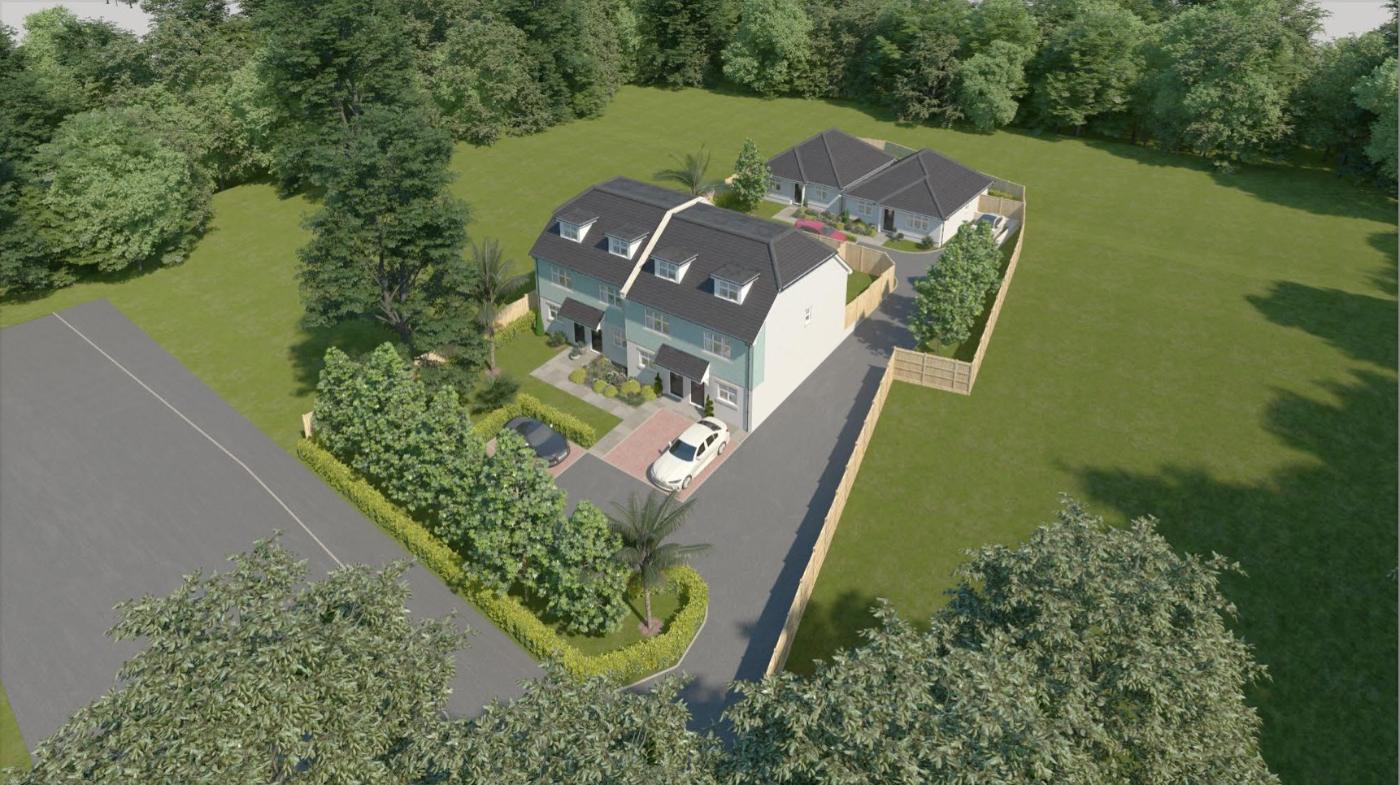
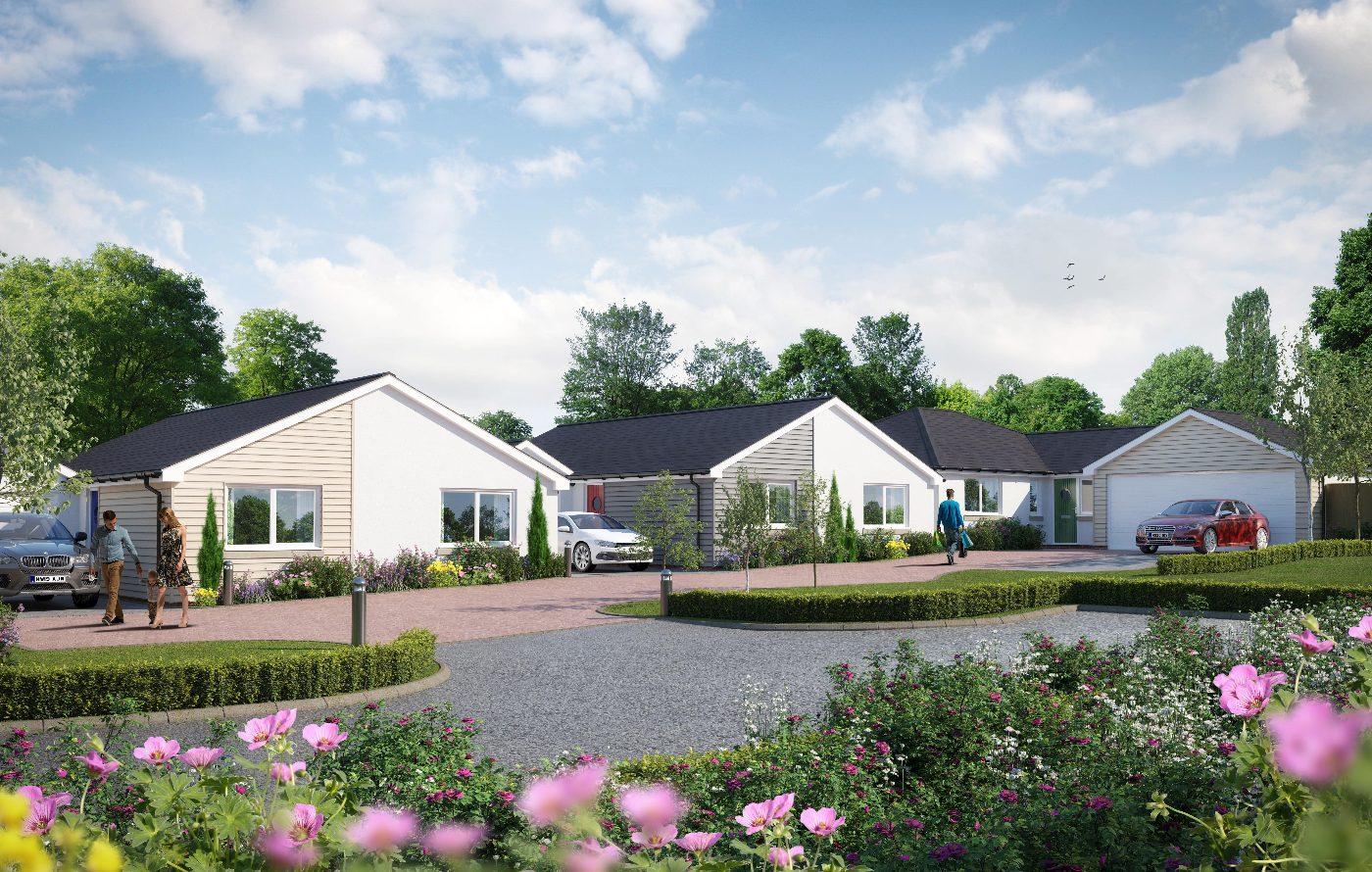
Our planners decide case by case. On sites like Germaine Close in Highcliffe, where a large plot with one bungalow became three detached bungalows, the design work was central to winning permission, so a full application made sense.
Applying for permission in principle
For the first stage you submit a short application form, a plan that identifies the land, and the fee. You don't need detailed drawings. The council publicises the application, consults the relevant bodies and decides only whether the location, land use and amount of development are acceptable.
The planning practice guidance sets a five-week determination period for this stage. If it's granted, you then have a limited time to apply for technical details consent, which looks at design, layout, access, drainage and everything else.
Source: Permission in principle: planning practice guidance (GOV.UK)
How it compares with other routes
| Route | What it settles | Good for |
|---|---|---|
| Permission in principle | Location, use and amount | Testing whether a site is acceptable at all, at low cost |
| Outline planning permission | The principle, with some matters such as access decided now | Larger sites where layout and design come later |
| Full planning permission | Everything | Small sites where the design is the main question |
| Pre-application advice | Nothing formally, but gives the council's early view | Getting a feel for the council's position before spending |
For many garden plots in Bournemouth and Poole, the council's main concerns are design, neighbours and trees, so a well-prepared full application can be the quicker route overall. For a site where the principle is genuinely uncertain, permission in principle can save money.
Local factors in Dorset and the New Forest
Several local rules can affect whether permission in principle is the right route. Near protected heaths in south-east Dorset, new homes within 400 metres are strictly controlled and homes within 5 kilometres pay towards mitigation. Homes draining to Poole Harbour must be nitrogen neutral, and extra homes in parts of the River Avon catchment need phosphate mitigation. In the New Forest district, homes pay towards recreational mitigation for the Forest's protected sites.
These are assessed as part of the planning process. Where they're likely to be significant, a full application that deals with them properly can be clearer than a two-stage route.
Source: Dorset Heathlands Planning Framework (Dorset Council)
Source: Development affecting European nature conservation sites (New Forest District Council)
Selling land with permission in principle
A grant of permission in principle can make land easier to sell, because a buyer knows the council has accepted homes there in principle. But buyers also know the technical details stage can still fail, so the uplift in value is usually smaller than for a full permission. Check how long the permission in principle lasts, as a buyer will want enough time to prepare and submit the technical details.
If you're unsure which route to take, ask a buyer to assess the site before you spend anything. We'll tell you whether we'd buy as it is, with permission in principle, or subject to full planning.
What to do next
If you own a small site, we can tell you which route is likely to work and whether we'd buy it now or subject to planning. Read about selling land and our land and planning guide.