What a replacement dwelling is
A replacement dwelling is a new home built to replace an existing one, usually after demolition. It can be a straight one-for-one swap, or, on a larger plot, a scheme that replaces one home with several.
Demolishing a house and building a new one needs planning permission. Councils judge it like any other housing proposal, against the local plan and national policy: design, the character of the street, the neighbours, access, trees, and local protections.
Why big plots interest developers
Across Highcliffe, Christchurch, Poole and the edges of Bournemouth there are many mid-century bungalows on generous plots. To a home buyer, they can need a lot of updating. To a developer, the plot may be the main asset: if the street can take two or three well-designed homes where one stands now, the land is worth more than the existing house.
What decides how many homes will fit
- Plot width and depth, compared with the pattern of the street.
- Access: whether each new home can have safe access, or a shared drive works.
- Neighbours: overlooking, light and outlook, especially at the back.
- Trees and any protection on them.
- Local rules such as conservation areas and, near protected heaths, the Dorset heathlands policies.
Source: Dorset Heathlands Planning Framework (Dorset Council)
Local examples
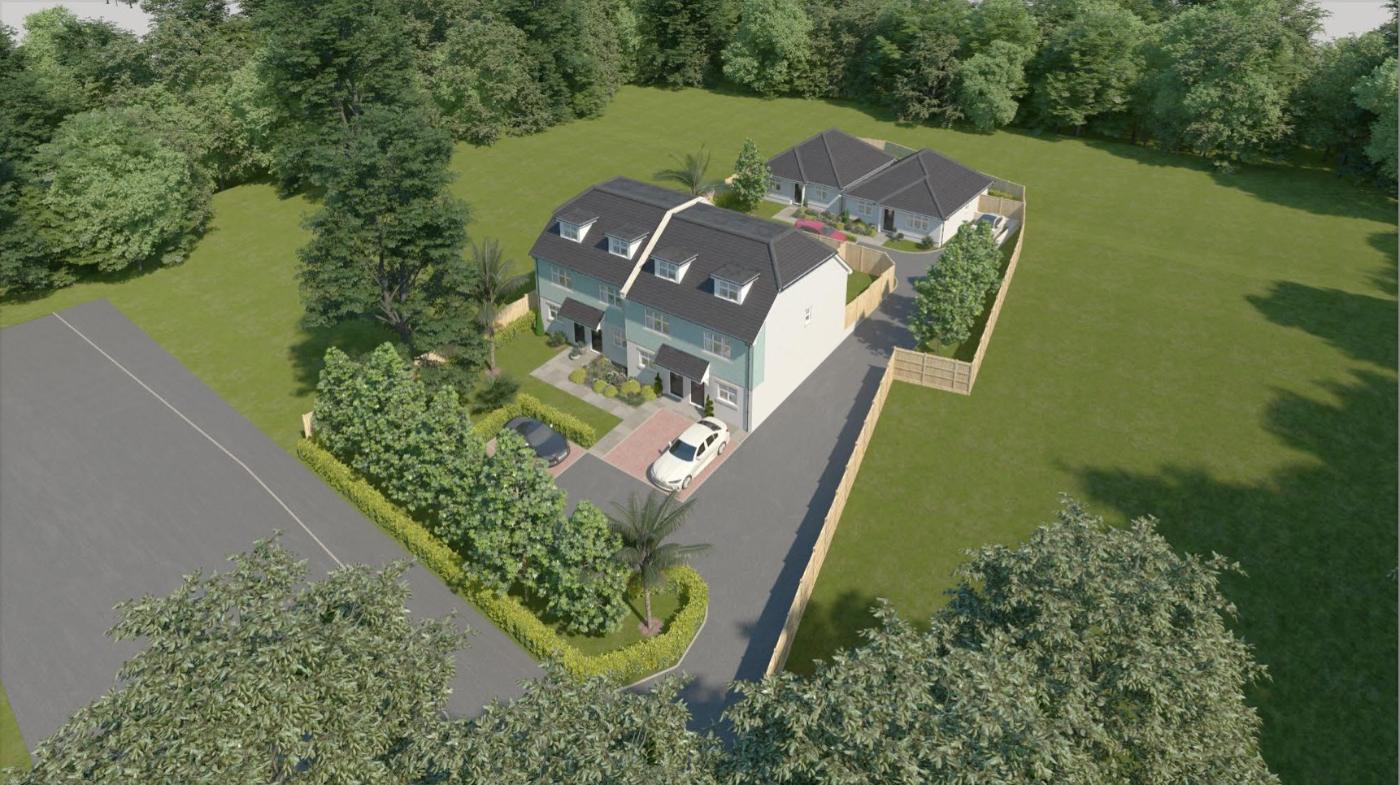
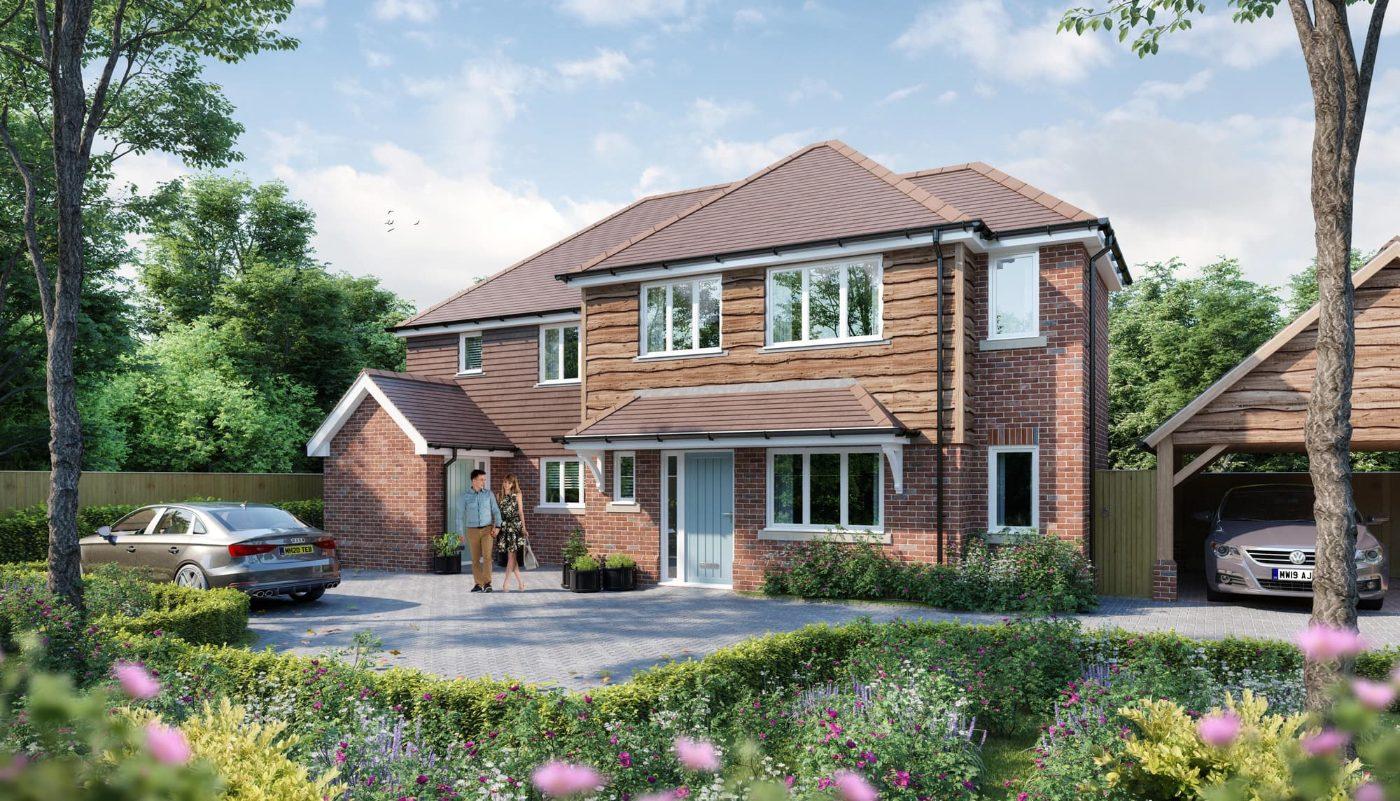
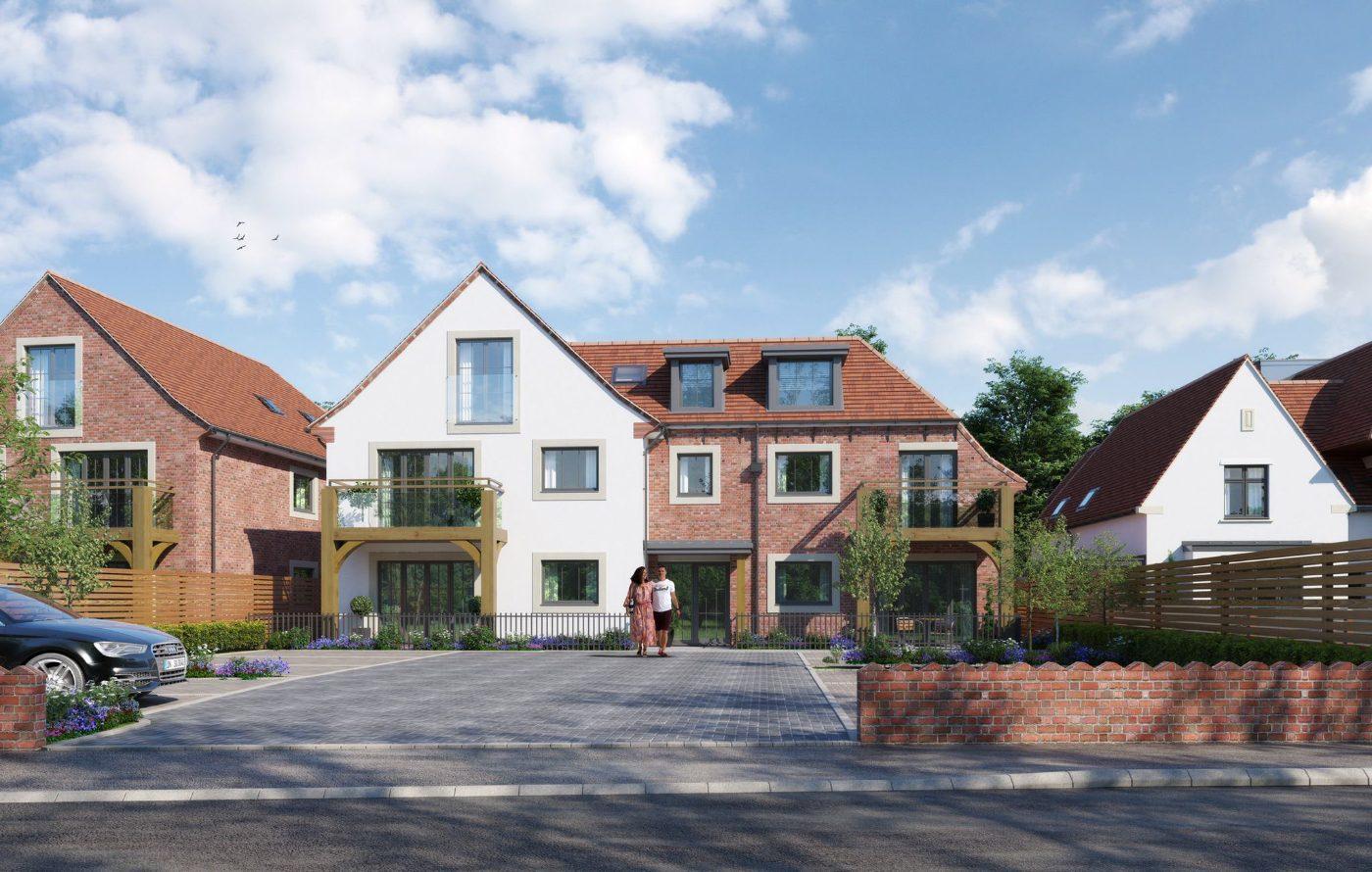
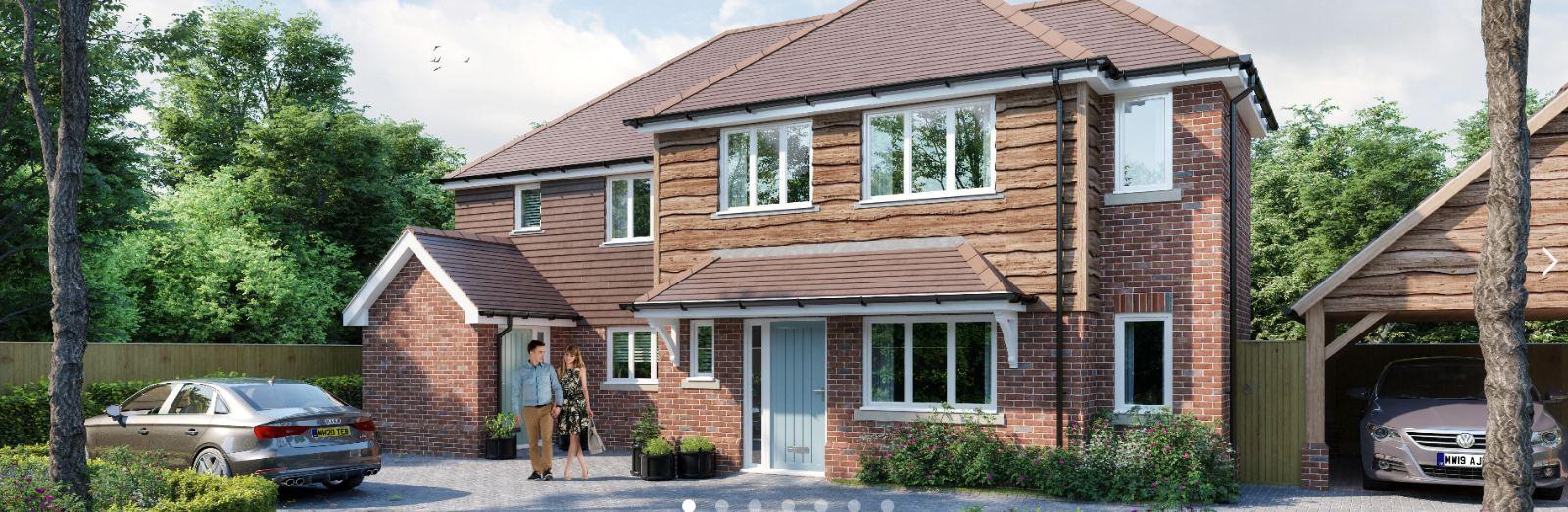
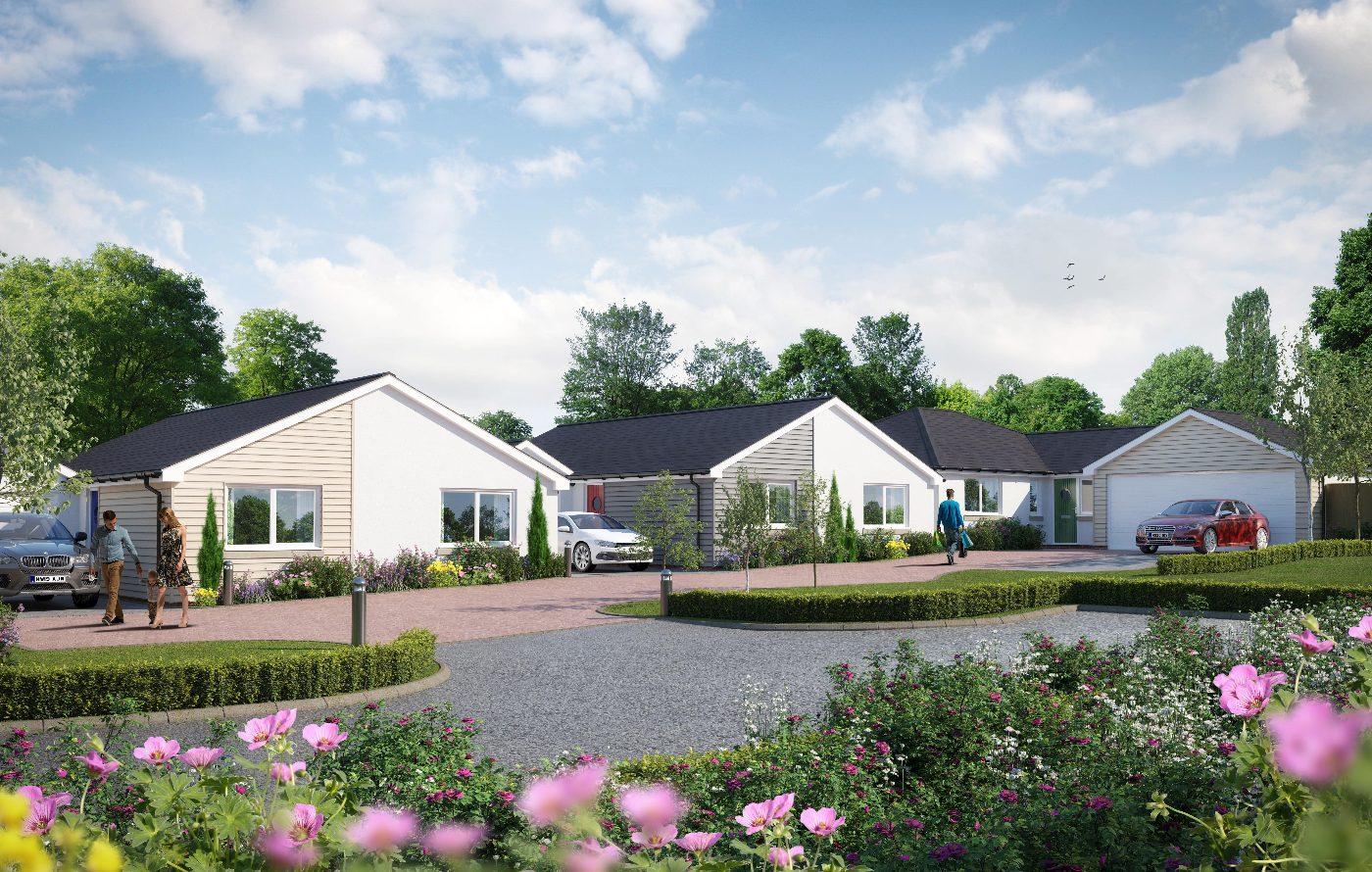
At Germaine Close in Highcliffe, planning was granted to demolish one existing bungalow on a very large plot and replace it with three detached bungalows. All three have been completed and sold. At Moordown in Bournemouth, BCP Council approved our plans to replace a disused office building with a pair of detached family homes, and at Blandford Road in Poole we have permission to replace an existing building with four houses and two bungalows.
Local charges to allow for
Where a scheme adds homes, local charges can apply, such as the Community Infrastructure Levy and contributions towards heathland mitigation, and in some catchments nutrient neutrality measures. They vary by council and change over time, so check the current position. A one-for-one replacement is treated differently from a scheme that adds homes.
Source: Developer contributions, including heathland mitigation (BCP Council)
Before you put a bungalow on a large plot on the open market, ask a developer what the plot could take. You may still sell to a home buyer, but you'll know what the land is really worth.
How to sell a plot like this
You can sell outright, with the buyer taking the planning risk, or subject to planning, where the price is higher but you wait for the decision. Our guide to option agreements, conditional contracts and outright sales explains the choices.
What a developer will check first
- The street: plot widths, building lines, heights and gaps between houses.
- Planning history: what's been approved or refused on the road, and why.
- Constraints: conservation areas, protected trees, flood risk, the heathland zones and nutrient catchments.
- Access: whether each new home can be reached safely, or a shared drive will work.
- Services: drainage, water and electricity capacity for more than one home.
Our designers and planners can usually give an initial view within days of seeing the address.
How long it takes
A scheme to replace one home with two or three normally means design work, surveys and a planning application. A minor application is normally decided within eight weeks of validation, but design, pre-application advice and any changes add time. Once permission is granted, building usually takes the best part of a year. At De Haviland Way in Mudeford, two homes replaced a garage block in just over eight months of building; at Everton Road in New Milton, the whole project from purchase to selling the new homes took just over ten months.
Source: Determining a planning application (GOV.UK)
You don't have to wait for planning to sell. A conditional contract lets you agree the price now and complete when permission is granted, with the buyer paying for the design and application.
Living in the house while you sell
If you're selling a bungalow on a large plot to a developer, you don't have to move out while planning is sought. With a conditional contract, you exchange contracts, stay in your home while the buyer designs the scheme and applies, and complete once permission is granted. Many sellers use the time to find their next home, and a delayed completion can give extra time if needed.
Is your plot a candidate?
- Is the plot noticeably wider or deeper than others in the road?
- Are there examples nearby of one home being replaced by two or three?
- Is there a straightforward way to give each new home safe access?
- Are there large trees that would need to be kept?
- Is the house in a conservation area or close to a protected heath?
If you answer yes to the first three and no to the last two, it's worth asking a developer to look. Even if the answer is that a single replacement home is the best use, you'll know what the plot is worth.
Source: Dorset Heathlands Planning Framework (Dorset Council)
What to do next
Send us the address and we'll tell you honestly what the plot might take and what we'd pay, with or without planning. Read about selling land or see our Highcliffe area guide.