Why the structure matters
Land is worth much more with planning permission than without it. The question in every land sale is who takes the risk of getting that permission, and how the reward is shared. The three common structures answer that question differently.
Outright sale
The buyer agrees a price, contracts are exchanged and the sale completes, all without waiting for planning. The buyer takes the whole planning risk, so the price reflects that. You get certainty and your money quickly, and you have no further involvement.
An outright sale suits owners who want a clean break, plots where the planning position is reasonably clear, or anyone who'd rather not wait months for a council decision.
Conditional contract (‘subject to planning’)
Both sides sign a binding contract now, but completion only happens if a planning condition is met, usually a satisfactory planning permission within a set time. The buyer designs the scheme and pays for the application. If permission is granted, the sale completes at the agreed price. If it's refused and appeals are exhausted, the contract ends.
Because you're sharing the planning risk, the price is usually higher than an outright sale. The trade-off is time: a few months for a straightforward plot, longer if there are complications.
Option agreement
The developer pays you a fee for the exclusive right to buy the land within an agreed period, often several years. They promote it through planning at their own cost. If they get permission, they can ‘exercise’ the option and buy, usually at market value less an agreed discount and their costs. If they don't, you keep the fee and the land.
Options are most common on larger sites that need allocation in a local plan or a long planning process. They can maximise value, but you're tied in, and the price is worked out later rather than fixed now.
The three compared
| Outright sale | Conditional contract | Option agreement | |
|---|---|---|---|
| When you're paid | Now | When planning is granted | If and when the option is exercised |
| Price | Fixed, reflects risk | Fixed, usually higher | Market value at the time, less agreed deductions |
| Who pays for planning | Buyer | Buyer | Buyer |
| Typical length | Weeks | Months | Years |
| Best for | Certainty and speed | Garden plots and small sites | Larger strategic land |
Points to agree whichever route you choose
- What counts as a ‘satisfactory’ permission. How many homes, what size, which conditions are acceptable.
- Long-stop dates. The latest date by which planning must be achieved.
- Overage. Whether you share in extra value if more is built later. See what is an overage clause?
- Your costs. Many buyers contribute to your legal fees; ask.
Any contract for the sale of land in England and Wales has to be in writing, signed by both sides and include all the agreed terms. Use a solicitor who handles land deals.
Source: Law of Property (Miscellaneous Provisions) Act 1989, section 2 (legislation.gov.uk)
How we buy
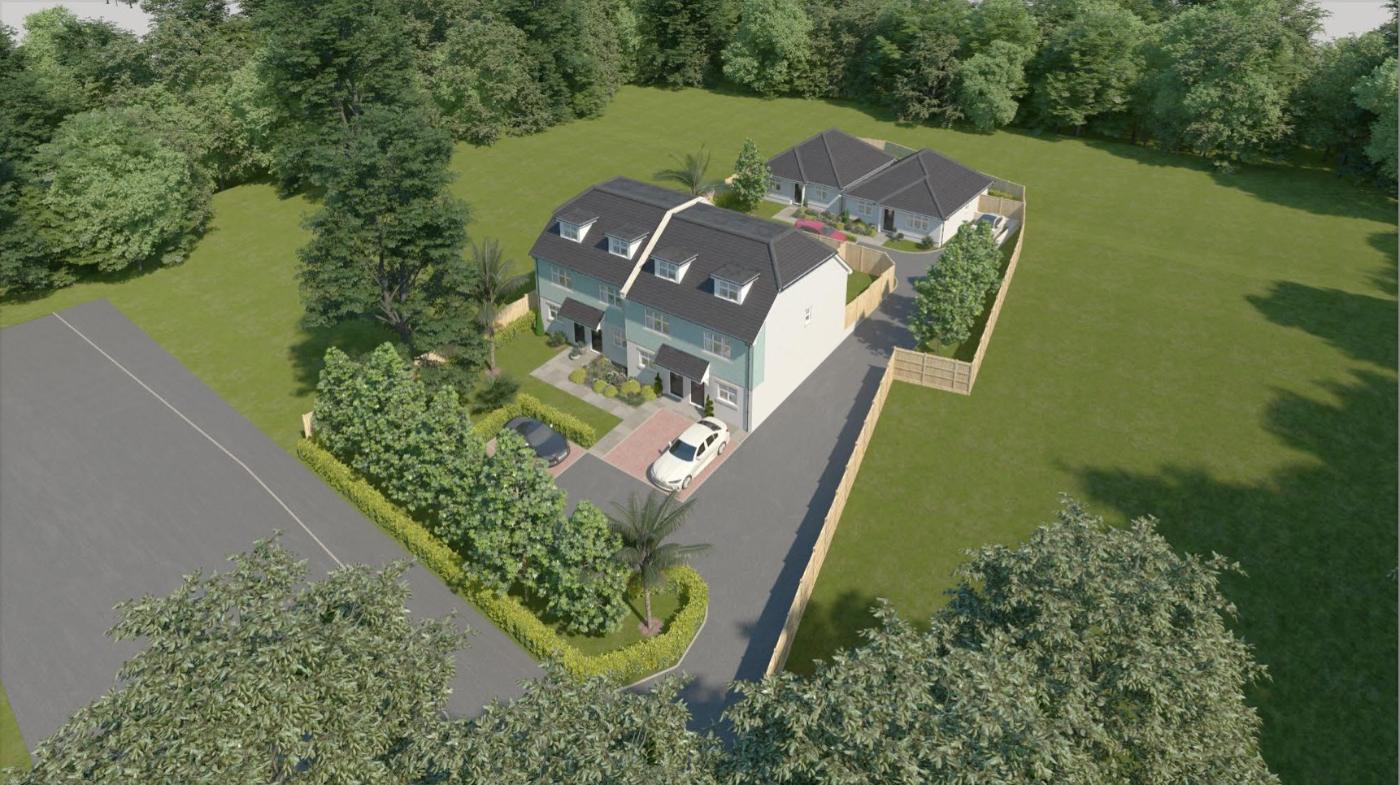
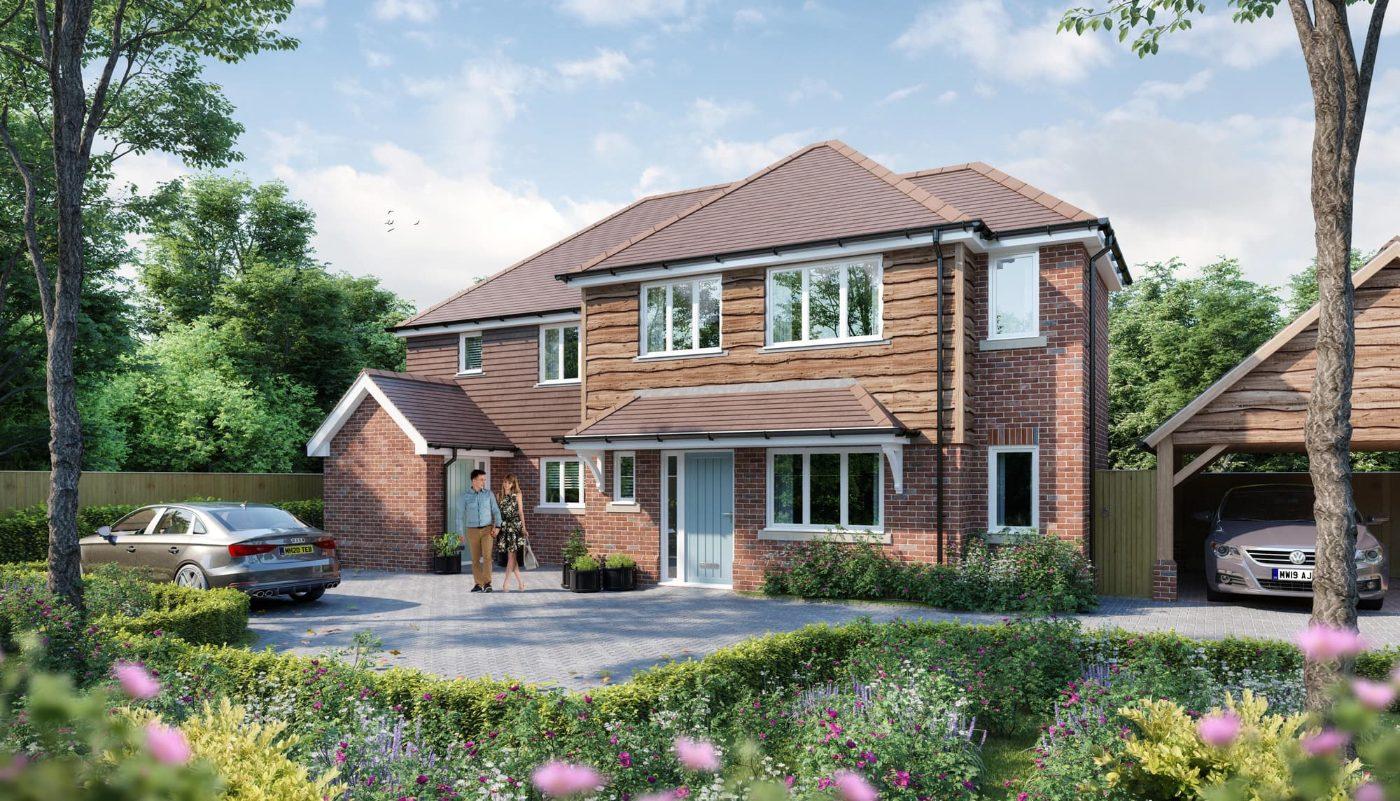
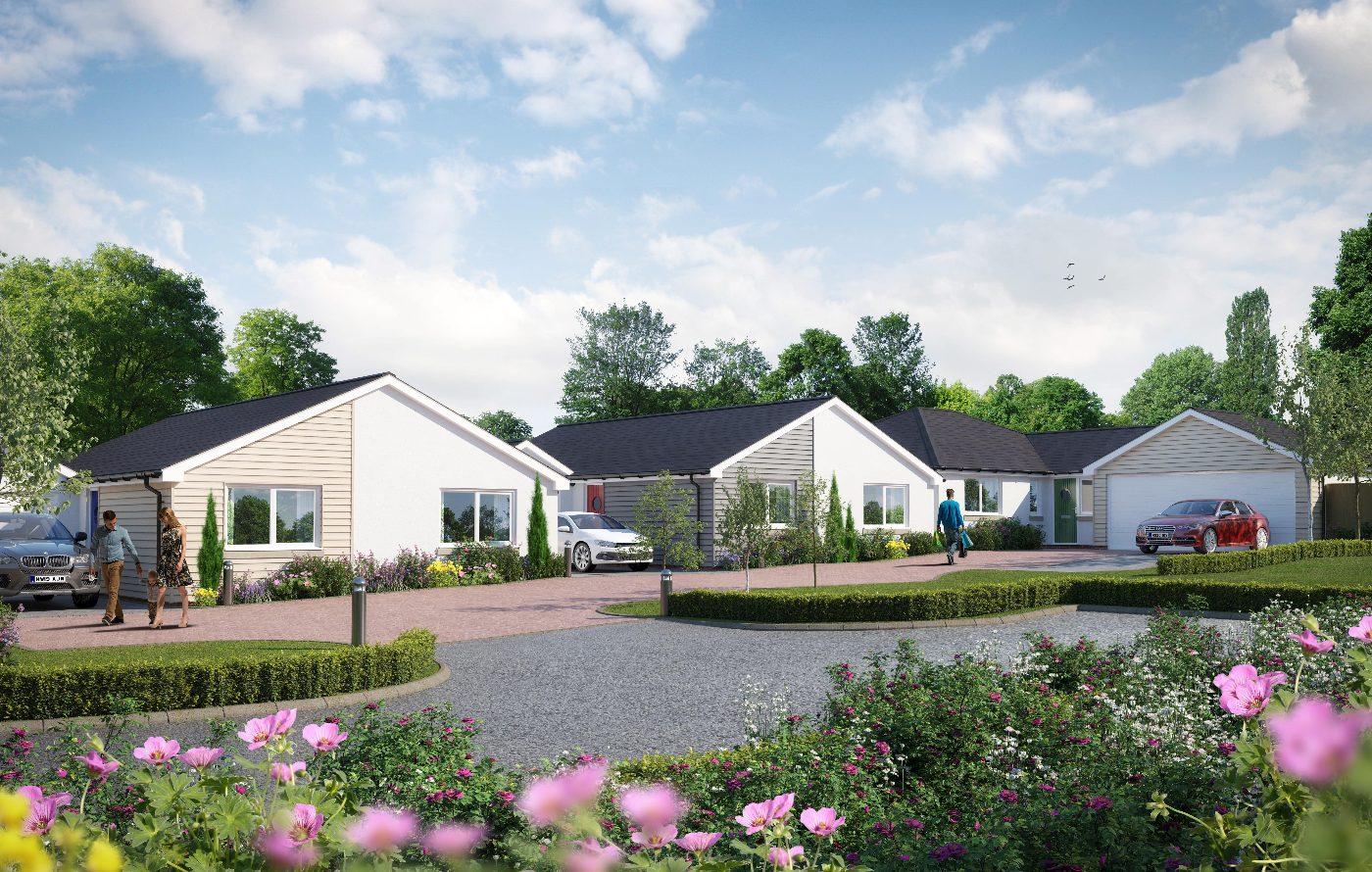
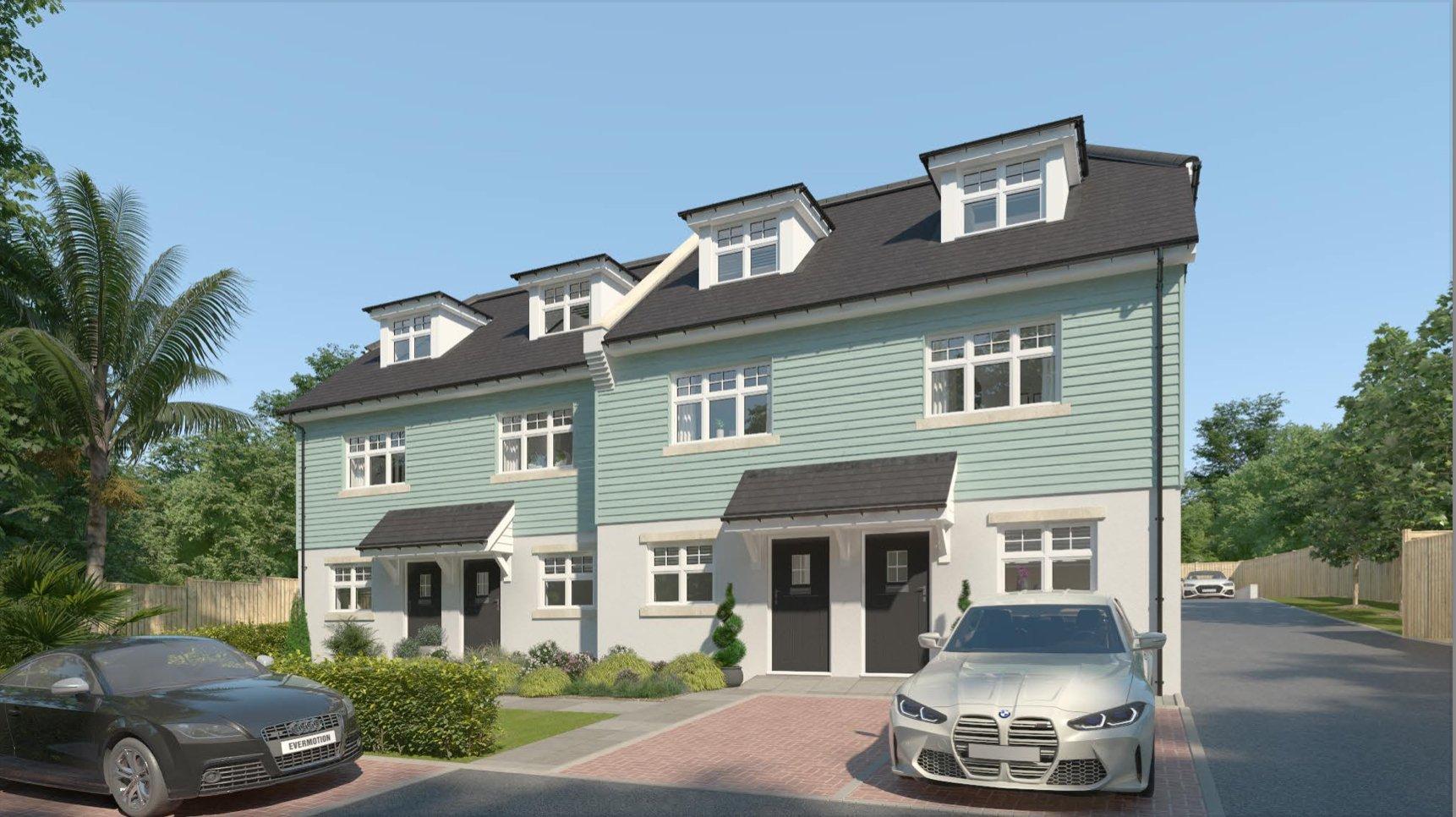
For garden plots and small sites we normally offer either an outright price or a conditional contract, and explain both so you can choose. Because we fund our purchases ourselves, there's no third-party funder whose approval we need. At Blandford Road in Poole, our team secured planning to replace an existing building with four houses and two bungalows.
Which structure suits which kind of land
| Your land | Usually suits | Why |
|---|---|---|
| Part of a garden, clear access | Outright sale or conditional contract | The planning questions are about design, and a decision comes in months |
| A large plot with an old bungalow | Conditional contract | Replacing one home with several needs a detailed scheme; sharing the risk gets a better price |
| A paddock or field next to a village | Option agreement or conditional contract with a long-stop | It may depend on the local plan, which takes years |
| A barn | Outright sale or conditional on prior approval | Class Q prior approval is quicker than full planning |
How the timescales compare in practice
An outright sale can complete in weeks once the legal work is done. A conditional contract usually runs for the time it takes to design a scheme, submit it and get a decision: a minor application is normally decided within eight weeks of being validated, but design and surveys come first, and refusals can lead to appeals. Option agreements often run for several years because they're tied to the local plan.
Both BCP Council and Dorset Council are preparing new local plans. If your land is the kind that could be allocated for housing, an option may give you the best long-term value; if you want certainty sooner, an outright sale or conditional contract is simpler.
Source: BCP Local Plan timetable (BCP Council)
Source: Dorset Council Local Plan timetable (Dorset Council)
Whichever route you choose, take independent advice from a solicitor who handles land sales, and ask whether the buyer will contribute to your legal costs.
Key terms explained
| Term | What it means |
|---|---|
| Long-stop date | The final date by which planning must be achieved, or the contract ends |
| Satisfactory planning permission | The kind of permission that triggers completion, such as a minimum number of homes and acceptable conditions |
| Challenge period | Time after permission is granted during which it could be challenged; completion often waits until it has passed |
| Option fee | The payment you receive for granting an option, usually kept whatever happens |
| Purchase price formula | How the price is worked out under an option, often market value less agreed costs and a discount |
| Overage | A further payment if more value is created later |
Red flags in land contracts
- A very long long-stop date with no obligation on the buyer to apply for planning.
- A vague definition of ‘satisfactory’ permission that lets the buyer walk away from a perfectly good consent.
- A purchase price formula with open-ended deductions.
- No contribution to your legal costs on a complex deal.
- Restrictions that stop you dealing with your land for years without any payment to you.
Contracts for the sale of land must be in writing and include all the agreed terms, so whatever is agreed in principle needs to make it into the document. A solicitor who regularly handles land deals will spot these points.
Source: Law of Property (Miscellaneous Provisions) Act 1989, section 2 (legislation.gov.uk)
What to do next
Tell us about your land and we'll give you an honest view of its potential and the structure that would suit it best. Read more about selling land or browse the land and planning guide.