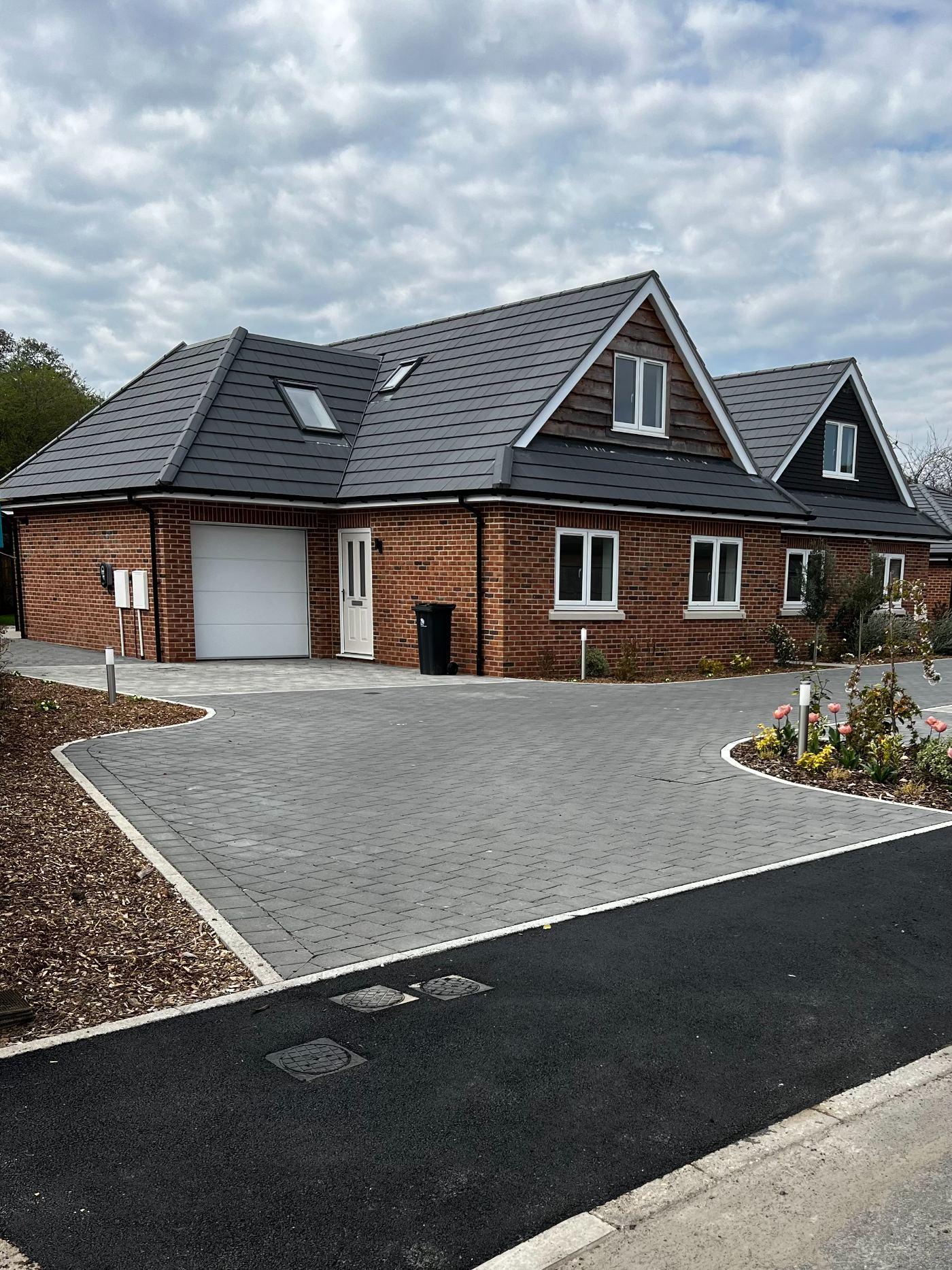
How overage works
When you sell land, the price reflects what it's worth at the time. If the buyer later gets permission for more or bigger homes, the land becomes worth more, and without overage all of that extra value goes to them.
An overage clause shares that uplift. A typical clause says that if planning permission is granted for something beyond what's already permitted within, say, 10 to 25 years, the buyer pays you a percentage of the increase in value. The trigger, the percentage and the period are all negotiated.
The terms that matter
| Term | What it means | What to check |
|---|---|---|
| Trigger | The event that makes overage payable | Planning permission, implementation, or sale? Grant is easiest to prove |
| Percentage | Your share of the uplift | Often between 20% and 50%; higher shares mean a lower upfront price |
| Period | How long the clause lasts | Long enough for the realistic planning route |
| Calculation | How the uplift is measured | Valuation method, deductions for costs, who decides if you disagree |
| Protection | How the promise binds future owners | A restriction or charge registered on the title |
Protecting overage on the title
An overage promise is only as good as your ability to enforce it, especially if the buyer sells the land on. Solicitors usually protect it by registering a restriction at HM Land Registry, which stops a future sale being registered unless the new owner signs up to the same obligation, or by a legal charge. HM Land Registry's practice guide on notices and restrictions explains how these work.
When overage makes sense
- You're selling land without planning, at a price that assumes little or nothing will be built.
- The land has a modest permission but could plausibly take more.
- The area's planning policy may change, for example through a new local plan.
Locally, both BCP Council and Dorset Council are preparing new local plans, which will shape where new homes go over the coming years. If your land could be affected, overage can be a sensible way to share in any future change without waiting years to sell.
When it doesn't
If you're selling a garden plot with a clear permission for one home, there's often little realistic upside left, and a buyer will pay less upfront to cover an overage they may never trigger. In that case a clean sale at the best price can be simpler for everyone.
Overage is a negotiation, not a standard term. A buyer offering a higher price with no overage and one offering a lower price with a generous overage can both be fair. Compare them over the realistic timescale.
A worked example
Here's a simple, made-up example to show how overage works. The numbers are illustrations, not a guide to land values.
| Step | Illustration |
|---|---|
| You sell a paddock with no planning | £100,000 |
| Overage agreed | 30% of any uplift from a new planning permission within 15 years |
| Six years later, permission is granted for homes | Land now valued at £600,000 |
| Uplift | £600,000 − £100,000 = £500,000 (before any agreed deductions) |
| Overage payable to you | 30% × £500,000 = £150,000 |
In real agreements the calculation often deducts the buyer's planning costs and sets out exactly how the value is measured and who decides if you disagree. Those details matter as much as the percentage.
Overage pitfalls to avoid
- A trigger that can be dodged. If overage only applies to ‘residential development’, check what happens with holiday lets, care homes or commercial uses.
- A period that's too short. If planning could realistically take ten years, a five-year clause may never pay out.
- No protection on the title. Without a restriction or charge at HM Land Registry, a sale to a new owner could leave you with a promise you can't enforce.
- Unclear valuation. Agree the method and an independent expert to settle disputes.
Overage can also apply to selling part of a garden, for example if the buyer later gets permission for a second home. Ask about it if your plot could realistically take more than one.
Questions to ask before agreeing overage
- What exactly triggers payment: a permission, the start of work or a sale?
- What percentage, and for how long?
- How is the uplift measured, and what can be deducted?
- How will the obligation be protected on the title?
- What happens if the buyer sells the land or the company that owns it?
- Who settles a disagreement about the valuation?
Good answers to these questions make the difference between overage that pays out and a promise that's hard to enforce.
What to do next
If you're thinking of selling land, ask any buyer to explain the price with and without overage. We're happy to discuss either. Read about selling land and the different ways to structure a land sale.