Why planning adds value
A buyer values land by working back from what could be built on it: the value of the finished homes, minus the costs of building them, fees, local charges and their profit and risk. Until planning is granted, the biggest risk is that nothing can be built at all. Remove that risk and the price goes up.
Three ways to sell
| Route | You pay for planning? | When you get paid | Risk sits with |
|---|---|---|---|
| Sell now, without planning | No | Now | Buyer |
| Get planning, then sell | Yes | After permission, plus marketing | You |
| Sell subject to planning | No | When permission is granted | Shared |
Getting planning yourself
If you apply yourself, you'll need drawings, surveys (trees, ecology, drainage, highways as needed), the application fee and possibly local charges. A minor application normally takes eight weeks from validation, longer if it goes to committee or needs changes. If it's refused, you can appeal, but that takes more time and money.
Source: Determining a planning application (GOV.UK)
A permission designed for you may also not be what a developer would have designed. Buyers will often want to change a scheme to suit their build costs or market, which can mean a fresh application anyway.
Selling subject to planning
With a conditional contract, the buyer designs the scheme they want to build, pays for the application and manages it with the council. The price is agreed now and paid when permission is granted. You share in the value planning creates without spending money or carrying the risk. Our guide to option agreements, conditional contracts and outright sales compares the structures.
Local factors that affect value
- Heathland zones in south-east Dorset: homes within 400 metres of protected heath are rarely allowed; further out they pay contributions.
- Nutrients: homes draining to Poole Harbour must be nitrogen neutral; parts of the River Avon catchment need phosphate mitigation.
- Green Belt around Christchurch, Wimborne, Ferndown and Verwood.
- Community Infrastructure Levy and other contributions, which vary by council.
Each of these is a cost or a constraint that a buyer builds into the price. Our land and planning guide explains them.
Source: Dorset Heathlands Planning Framework (Dorset Council)
Summit funds all of its own purchases, so a conditional contract with us isn't dependent on a lender or investor approving the deal once planning comes through.
Local examples
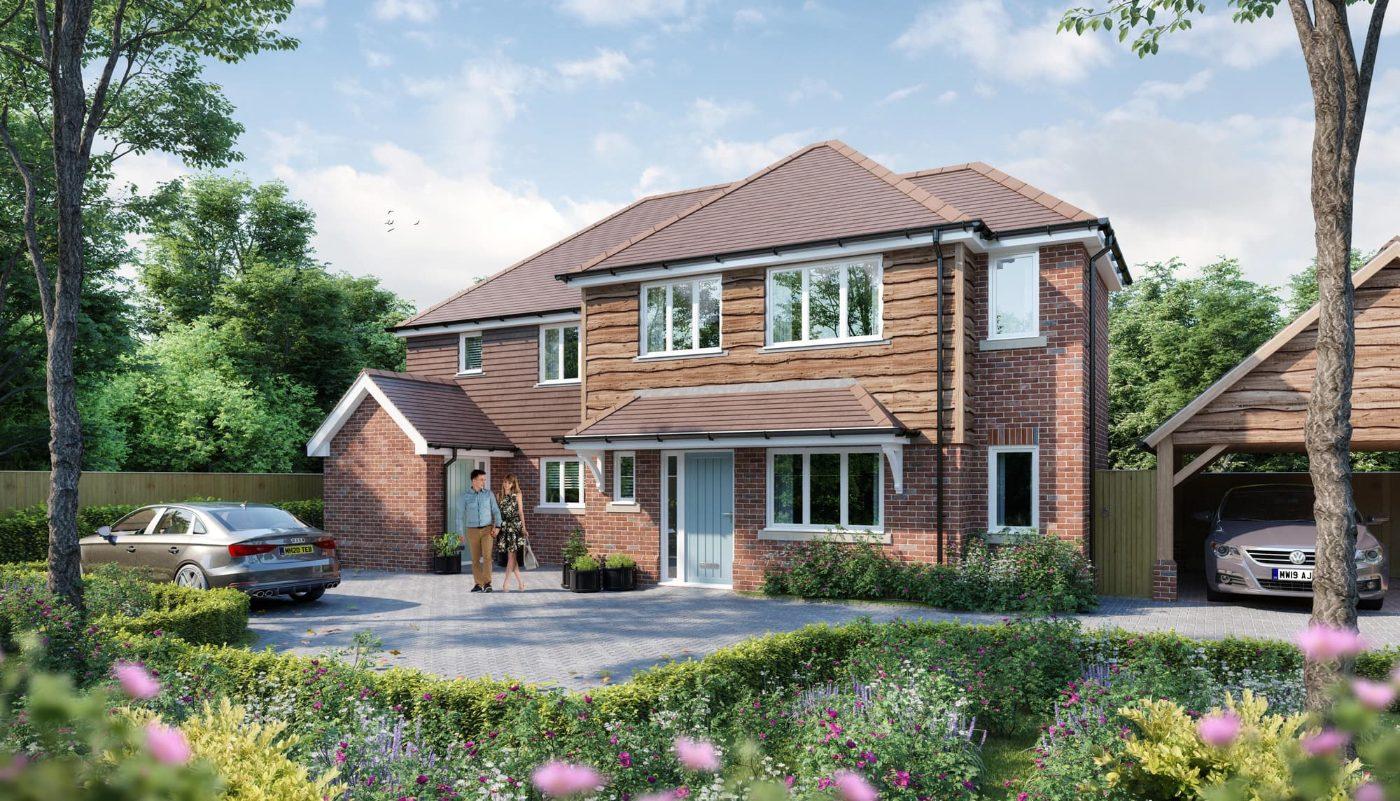
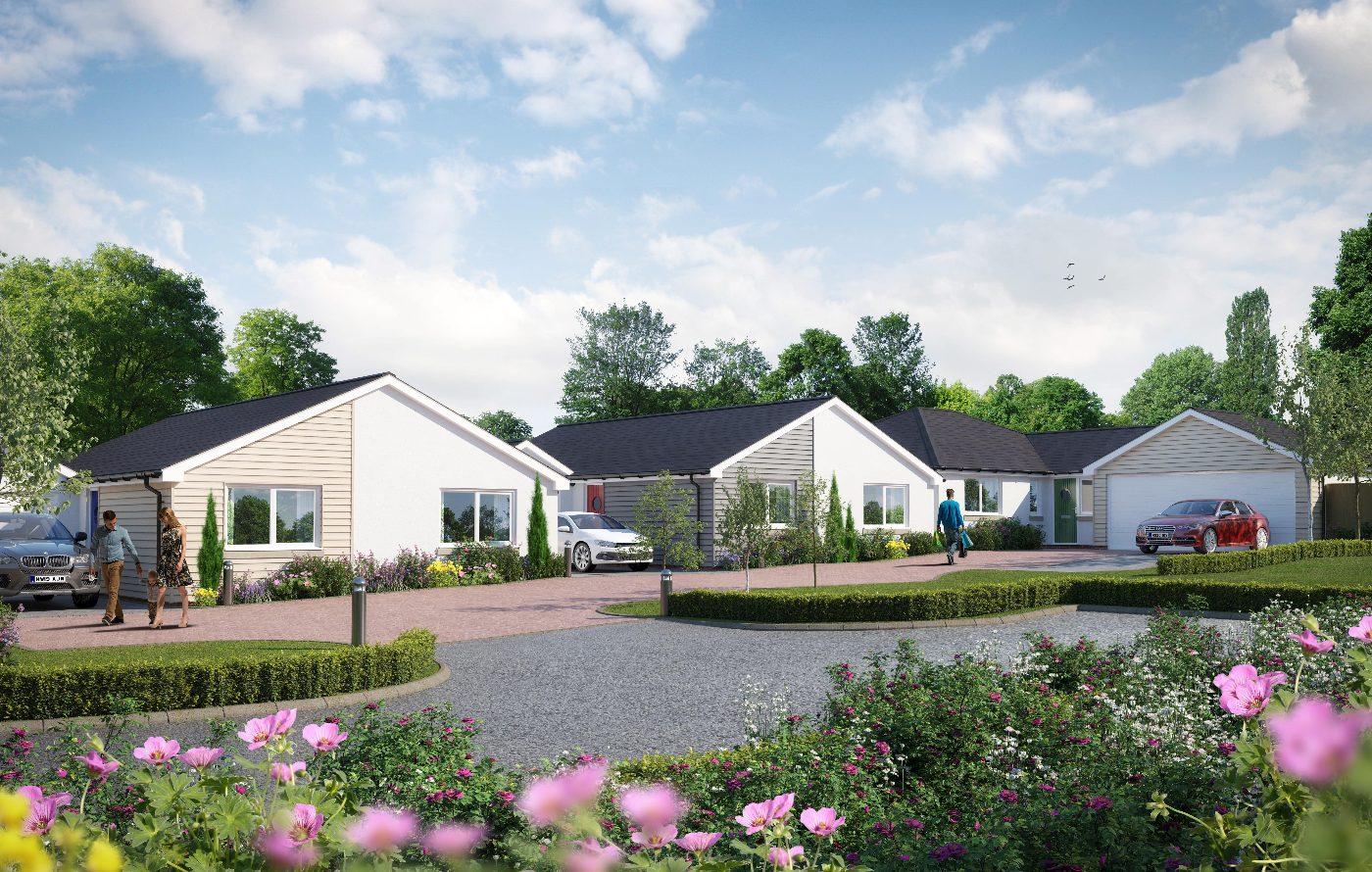
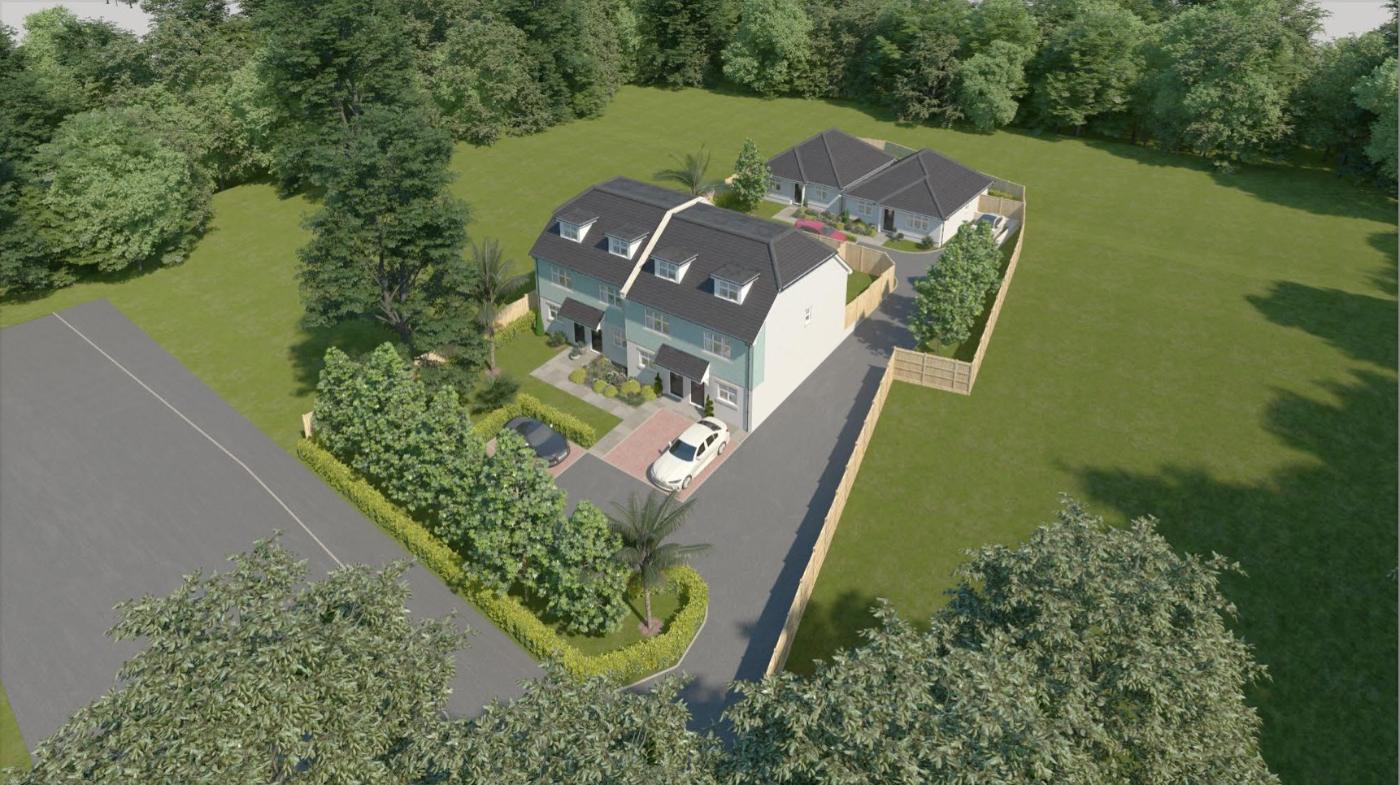
At Forest Close in Highcliffe, a partner agent brought us a plot and we gained planning for two chalet bungalows and a bungalow. At Blandford Road in Poole, we secured permission for four houses and two bungalows to replace an existing building. Our in-house designers and planners handle the applications ourselves.
What getting planning yourself involves
- Feasibility: access, constraints, planning history and the council's policies.
- Design: drawings that fit the site and the street.
- Surveys: trees, ecology, drainage, highways, as the site needs.
- Pre-application advice (optional): the council's early view, for a fee.
- Application: forms, plans, reports and the fee; then consultation and a decision.
- Conditions: most permissions come with conditions that must be met before or during building.
Each stage costs money and time, and the risk of refusal stays with you. For gardens and small sites, many owners prefer a buyer to take on this work under a conditional contract.
Source: Permission in principle: planning practice guidance (GOV.UK)
How a developer values your land
A developer starts with what the finished homes would sell for, then deducts the cost of building them, professional fees, planning costs, local charges such as the Community Infrastructure Levy and heathland or nutrient contributions, finance, sales costs and their profit for taking the risk. What's left is what they can pay for the land. This is called a residual valuation.
It explains why two plots of the same size can have very different values: one may take two homes and need no mitigation, while the other takes one and sits in a nutrient catchment. Ask any buyer to walk you through their figures.
A worked illustration
Made-up round numbers, to show how the three routes compare for a garden plot that might take one new home. They're not a guide to values.
| Route | Price | When | Your costs and risk |
|---|---|---|---|
| Sell now, without planning | £80,000 | Weeks | Low: legal fees |
| Sell subject to planning | £130,000 | When permission is granted, say 6 months | Low: the buyer pays for planning; risk of refusal shared |
| Get planning yourself, then sell | £150,000 | After permission and marketing, say 9–12 months | Design, surveys and fees, say £10,000–£20,000, all at risk if refused |
In this illustration, getting planning yourself raises the most on paper, but only if it's granted and only after you've spent money and time. Selling subject to planning gets most of the uplift with little cost or risk.
When getting planning yourself makes sense
- You have experience of planning applications, or a trusted architect and planner.
- The site is simple and the council's view is clear.
- You're in no hurry and can afford to lose the cost if it's refused.
- You want to sell on the open market to the widest range of buyers.
What to do next
Tell us about your land and we'll give you an honest view of its potential, and prices both with and without planning, so you can choose. Read about selling land.