Why houses that need work are harder to sell
Most buyers need a mortgage, and lenders only lend on property they're confident in. If the valuer finds no working kitchen or bathroom, serious damp, structural movement or other significant problems, the lender may refuse, hold back money until repairs are done, or value the house below the agreed price.
That narrows the market to buyers with cash or specialist finance, and it's the main reason houses needing major work sit on the market or fall through late on.
Should you renovate before selling?
It depends on the scale of the work and on you.
| Type of work | Usually worth doing before selling? | Why |
|---|---|---|
| Cleaning, decluttering, small repairs | Yes | Cheap and quick; helps photos and viewings |
| Redecorating in neutral colours | Often | Low cost, broad appeal |
| New kitchen or bathroom | Rarely | Buyers have their own taste; you seldom get the full cost back |
| Roof, rewiring, damp, structural | Case by case | Costly, slow and unpredictable, but may be needed for a mortgage |
| Full refurbishment | Rarely, unless you're experienced | Months of work, costs and project risk |
Major works also take time. You'll pay council tax, insurance and bills while the house is empty, and costs often grow once walls and floors are opened up. If you're selling because you need the money or need to move, that can be hard to absorb.
How buyers price a house needing work
A buyer who plans to renovate works backwards from the value once it's done. They deduct the cost of the work, their buying and selling costs, finance and holding costs and a margin for risk. That's why the price for a house needing work is well below the value of a finished one, and why the gap grows with the size of the job.
A good buyer will explain their figure, including what they think needs doing. If two offers are very different, ask each buyer why.
You still have to be open about problems
Selling ‘as is’ doesn't mean saying nothing. The property information forms your solicitor sends ask about known defects, and estate agents must not leave out material information buyers need. National Trading Standards has published guidance on what that covers. Being upfront saves time and stops a price being renegotiated just before exchange.
Source: Material information guidance (National Trading Standards)
Local examples
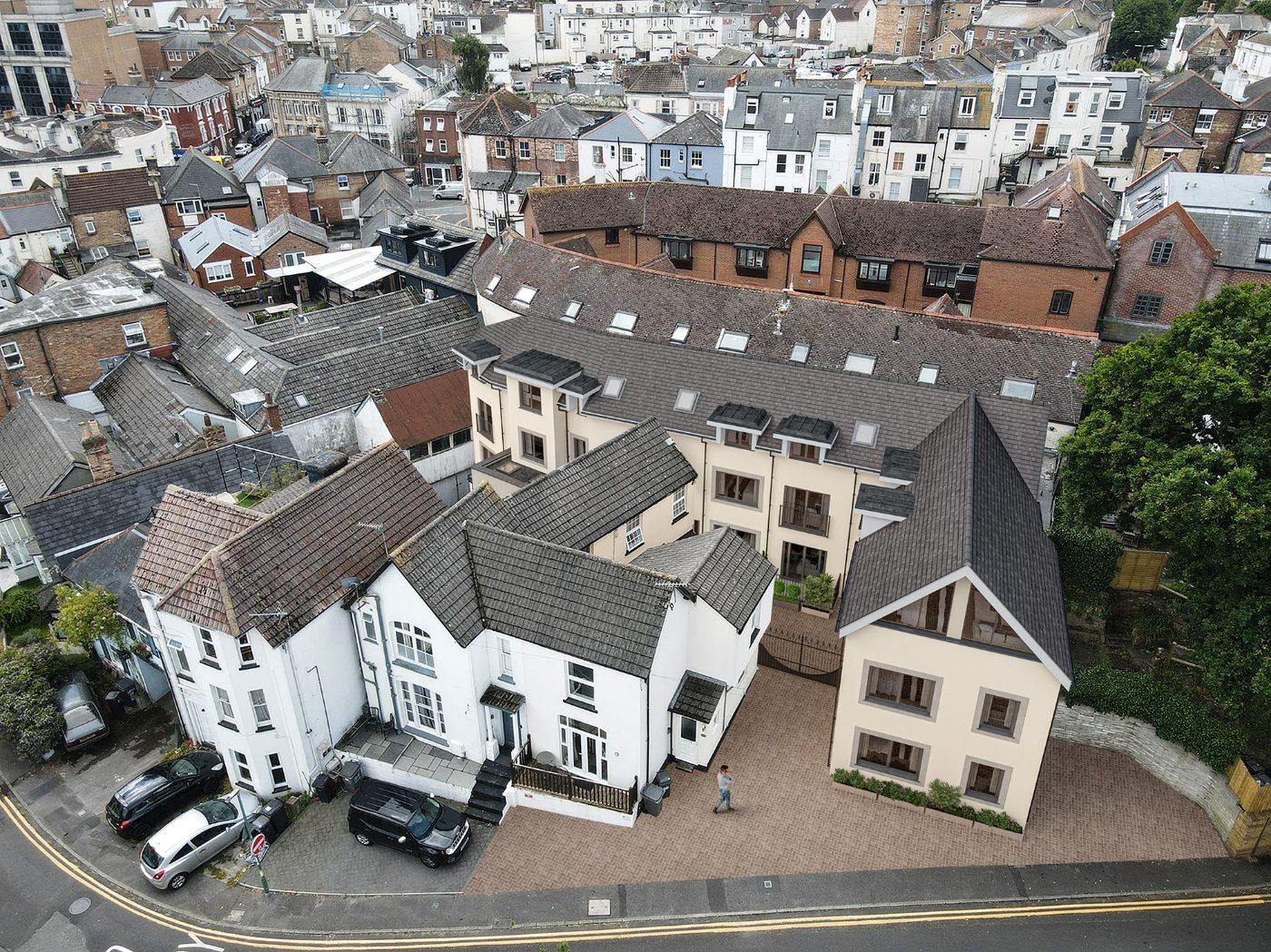
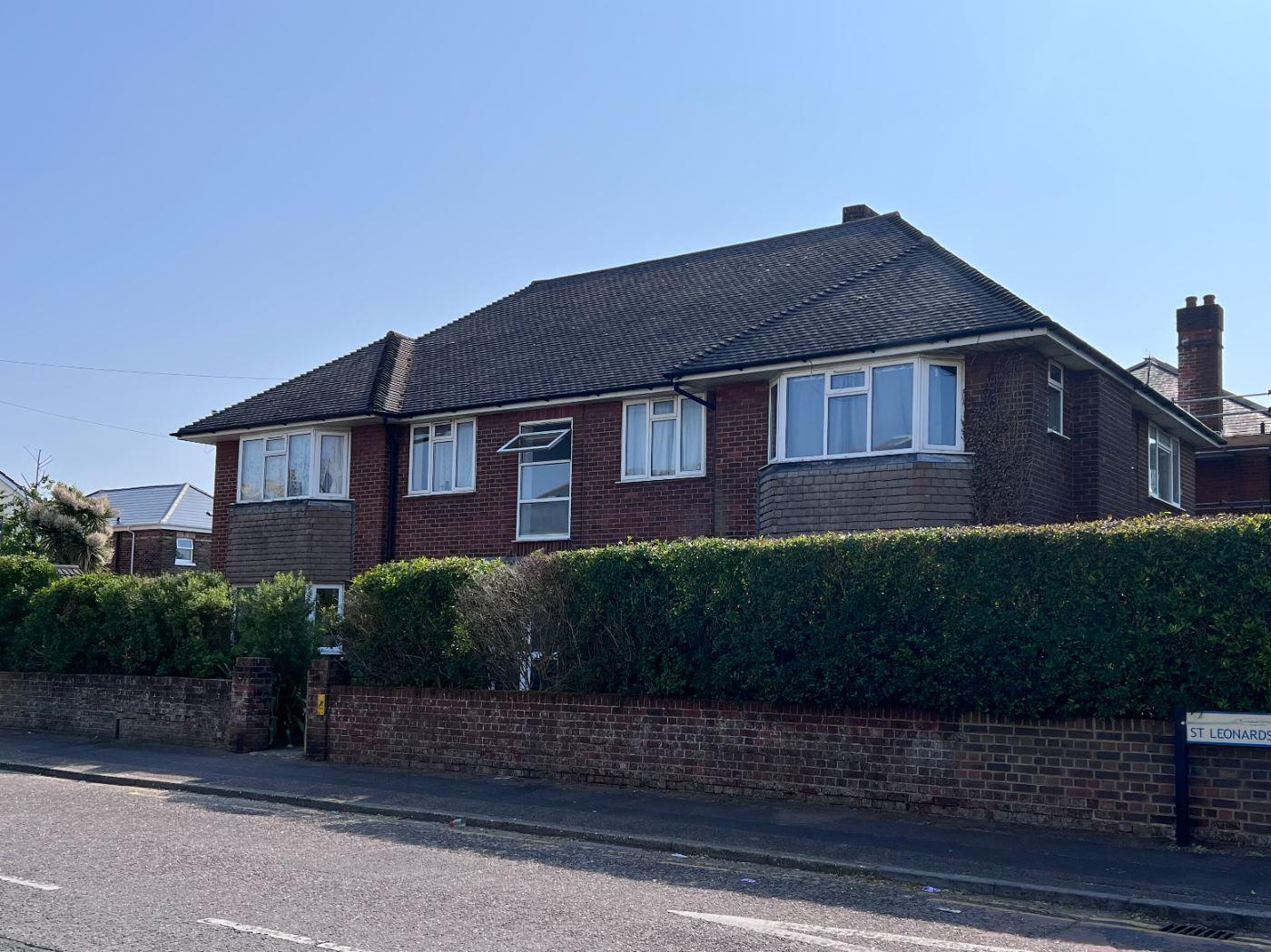
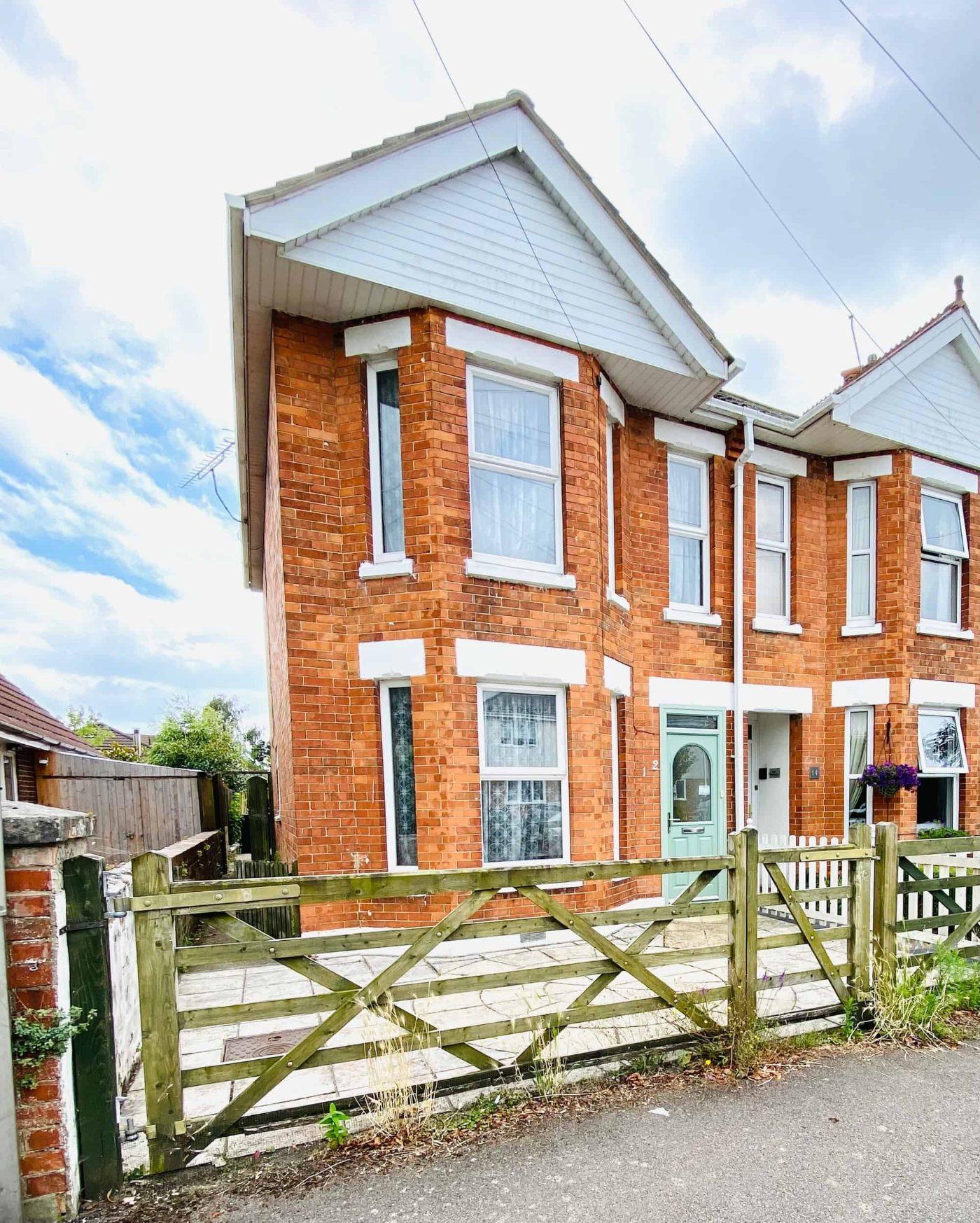
We've bought a Victorian house in Christchurch needing refurbishment throughout and completed in four days, at Grove Road East. In Talbot Park we bought a house that needed refurbishment and the removal of foam insulation, exchanging without carrying out surveys and delaying completion to suit the seller, at Firs Glen Road. And at Belmont Road in Ashley Cross we bought a house after two previous sales had fallen through, then refurbished and resold it.
If the house is empty, check your insurance. Many policies have conditions for unoccupied homes, such as regular inspections, and some limit cover after a set number of days.
Getting the house ready, without spending much
Even if you're selling as it is, a little effort helps buyers see past the work:
- Clear it out. An empty or tidy house is easier to assess than one full of furniture and belongings.
- Make it safe. Fix trip hazards and make sure gas and electricity are safe to show.
- Gather information. Any surveys, quotes, guarantees or certificates you have help a buyer price the work rather than guess.
- Be ready with the history. When was the roof, boiler or wiring last done? Has the house had any insurance claims?
A buyer who understands the work can make a firmer offer. A buyer who has to guess will allow a bigger margin for the unknown.
How the sale works with a cash buyer
- First conversation. You describe the house and the work you know about.
- Viewing. The buyer looks round, sometimes with a builder or a specialist for structural issues.
- Offer. You get a figure, with an explanation of how it was reached.
- Solicitors instructed. The legal work starts straight away; there's no mortgage valuation to wait for.
- Exchange and completion. On a date that suits you, quickly or later if you need time to move.
At Grove Road East the whole process, from instruction to completion, took four days because the seller needed it to. Most sellers want something in between: certainty now, and a few weeks to move out.
If the house is in probate, or you're selling because of a sale that fell through, see our guides to probate sales and what to do when a sale falls through.
Signs your house may be hard to mortgage
- No working kitchen or bathroom.
- Significant damp, rot or roof problems.
- Visible structural cracking or a history of subsidence.
- Spray foam insulation on the underside of the roof.
- Non-standard construction, such as some post-war concrete homes.
- Unapproved building work, like a loft conversion without sign-off.
- A short lease on a flat.
If one or more of these apply, it doesn't mean the house can't sell. It means the pool of buyers is smaller, and a buyer who doesn't need a mortgage may be the quickest route.
What happens after we buy
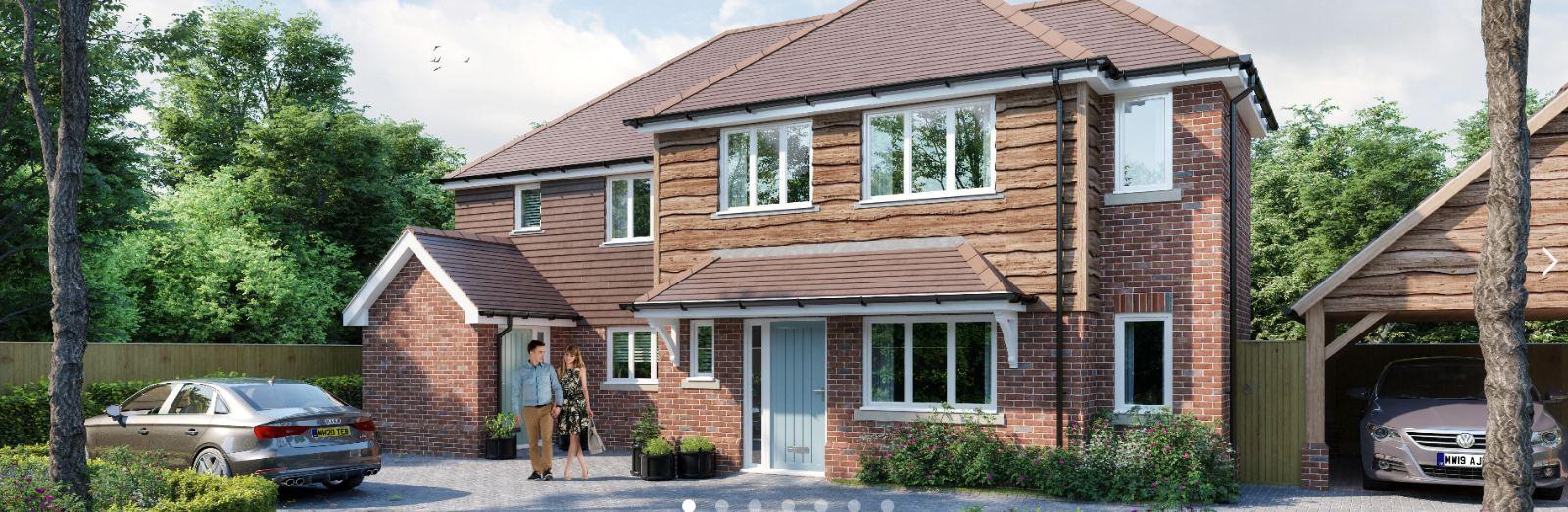
We refurbish, let or redevelop the homes we buy, using our own team. At Firs Glen Road we carried out significant remedial works, including removing foam insulation, before reselling. At Hillside Road in Wallisdown we refurbished and sold the house. At Turbary Park Avenue a light refurbishment was followed by a sale to BCP Council. Knowing what we'll do with a property is how we can price it quickly and take on work other buyers won't.
What to do next
- Get an estate agent's view of the value as it is, and once renovated.
- Get a rough cost for the work from a builder if you're tempted to do it.
- Ask a cash buyer for an offer and their reasoning.
- Compare the three, including the time each would take.
We buy houses and flats in any condition across Bournemouth, Poole, Christchurch and the surrounding towns, with our own funds, so a lender can't hold things up. Read about selling a property that needs work.