What a property chain is
A chain is the line of linked sales that depend on each other. You can't buy your next home until your buyer pays you; your buyer can't pay until they've sold their flat; their buyer is waiting on a mortgage. Every link is a point where things can go wrong.
GOV.UK says selling a home takes about five months on average, and longer if you're part of a chain. The longer a chain, the more chances there are for a survey to find a problem, a mortgage offer to expire or someone to change their mind.
Source: Selling a home (GOV.UK)
What chain-free means
A buyer is chain-free when they don't need to sell a property to buy yours. That might be a first-time buyer, someone who has already sold, an investor or a cash buyer like us. Chain-free doesn't automatically mean cash: a first-time buyer is chain-free but still relies on a mortgage.
For you as a seller, the most certain buyer is one who is both chain-free and buying with their own money. Nothing outside the two of you can stop the sale.
Exchange and completion: the two key moments
| Moment | What happens | What it means for you |
|---|---|---|
| Exchange of contracts | Both sides sign and swap contracts and a completion date is fixed | The sale is legally binding. If the buyer pulls out, they normally lose their deposit |
| Completion | The money is paid and ownership transfers | You hand over the keys and get paid |
In most sales the gap between the two is one to four weeks. But there's no rule that says it has to be short.
How a delayed completion works
With a delayed completion you exchange as soon as the paperwork is ready, then complete weeks or months later on a date you agree. You get the security of a binding contract straight away, without having to move before you're ready.
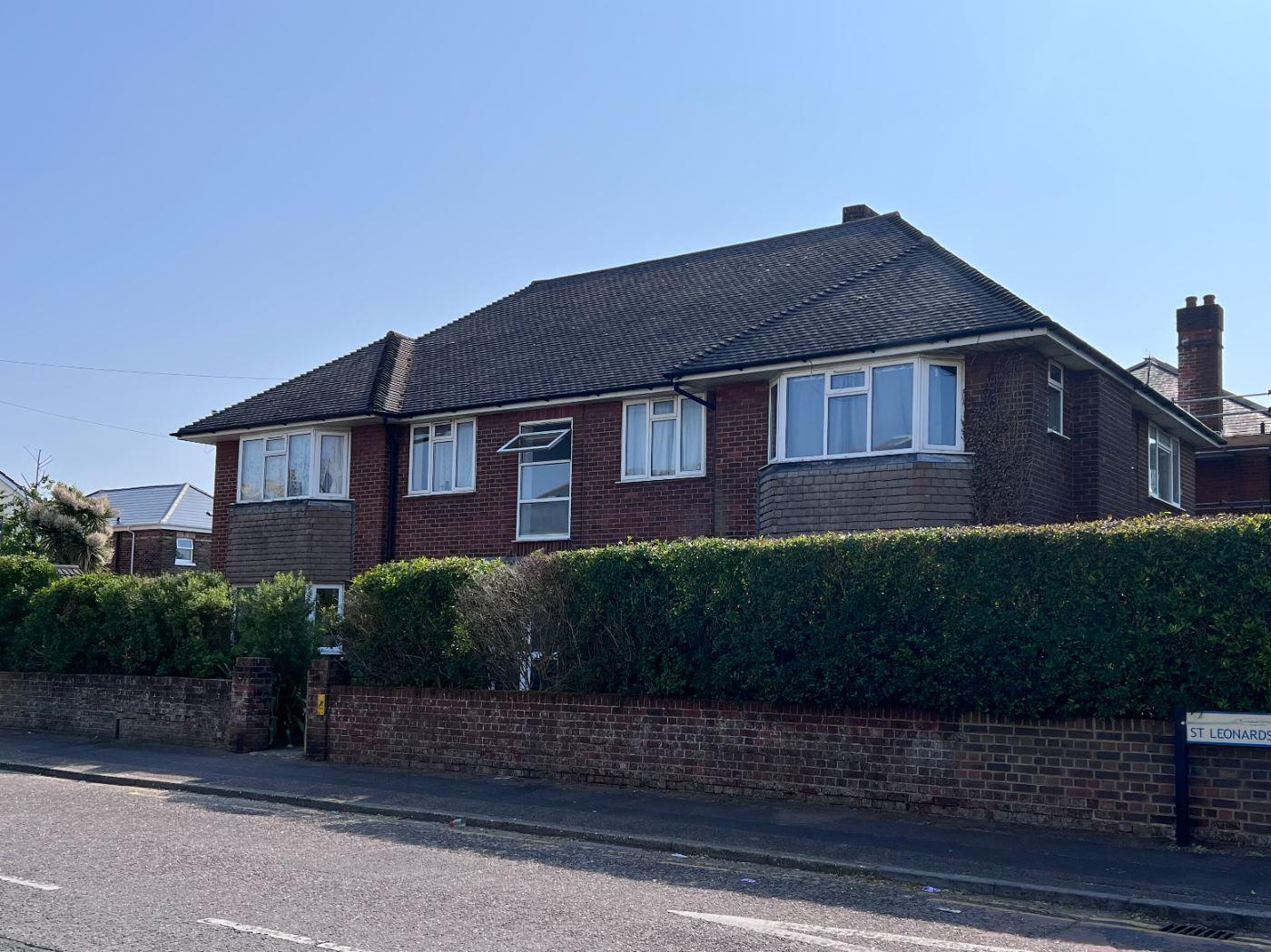
It's useful if you're relocating and haven't found your next home, waiting for a new-build to finish, dealing with probate, or simply want to plan the move calmly. At Bearcross Avenue in Bournemouth we exchanged within weeks and delayed completion until the seller had found his onward purchase. At Carlton Avenue in Barton-on-Sea we exchanged within a week and delayed completion by three months for the same reason.
Agree what happens in between: who insures the property, whether you'll keep living there, and what condition it should be in on completion day. Your solicitor will put it in the contract.
How to get your sale moving if you're stuck in a chain
- Ask your agent exactly where each link is: who has a mortgage offer, who has exchanged, who is waiting on searches.
- Get your own paperwork ready early: title, property information forms, certificates for any building work.
- Consider whether you can move into rented accommodation for a while to break the chain on your side.
- Compare with a chain-free cash offer. It may be lower, but it removes the risk entirely.
When a cash, chain-free sale makes sense
If your sale has already fallen through once, if your property is hard to mortgage, or if you need certainty by a particular date, a chain-free cash buyer can be worth the difference in price. If you have time and the property is easy to sell, the open market may get you more. Our guide cash house buyer or estate agent? walks through the trade-offs.
What a chain-free buyer still needs from you
Removing the chain takes out the biggest risk, but the legal work still has to be done, and much of it depends on you. To keep a chain-free sale quick:
- Instruct a solicitor early and reply to their questions promptly.
- Find your paperwork: guarantees, building control certificates, planning permissions and any boundary or extension details.
- Know your mortgage figure: ask your lender for a redemption statement so there are no surprises on completion day.
- Be clear about what's included: fixtures, fittings and anything you're leaving behind.
GOV.UK's guide to selling a home sets out each stage and what the seller is responsible for.
Source: How to sell a home (GOV.UK)
Deposits and what happens if someone pulls out
When contracts are exchanged, the buyer usually pays a deposit, often around 10% of the price, to the seller's solicitor. If the buyer then fails to complete, they normally lose that deposit and may be liable for more. That's why exchange is the moment a sale becomes secure.
With a delayed completion, the gap between exchange and completion is longer, so the deposit protects you for longer too. Agree the deposit, the completion date and what happens if either side is late before you exchange. Your solicitor will explain the standard terms and anything that's been changed.
If you're buying as well as selling, try to exchange on both at the same time. A chain-free buyer for your house makes that much easier to arrange.
Who benefits most from a delayed completion
- Relocating sellers who need certainty now but can't move until a job starts or a new home is found.
- Executors who want the sale fixed while the family clears the house.
- Downsizers waiting for a new-build or retirement property to be finished.
- Landlords whose tenants need time to move out.
- Anyone who has had a sale fall through and wants a binding contract before planning the move.
In each case the seller gets the security of exchange without being forced into a rushed move. That's often worth more than a slightly higher price from a buyer who might not make it to exchange.
Questions to ask your solicitor
- What deposit will be paid on exchange, and is it held as stakeholder or agent?
- What happens if the buyer is late completing, and what if I am?
- Who insures the property between exchange and completion?
- What condition do I need to leave the property in, and what am I allowed to remove?
- Can the completion date be brought forward if we both agree?
Clear answers before exchange avoid misunderstandings later, especially when completion is weeks or months away.
What to do next
If you need a fixed completion date, or you want to exchange now and move later, tell us what you need. We fund our purchases ourselves and can fit the dates around you. See how selling your property to us works.