Not every crack is subsidence
Most houses have some cracking. Hairline cracks in plaster, or small cracks around windows caused by settlement or temperature changes, are common and often harmless. Subsidence is different: the ground under the foundations moves down, often because clay soil shrinks in dry weather, tree roots draw out moisture, or drains leak and wash soil away. Heave is the opposite, where ground swells and pushes up.
The size, shape and pattern of cracks, and whether they're still moving, tell a structural engineer what's going on. That's why an engineer's report is the first thing most buyers and lenders ask for.
What you must disclose
The property information form your solicitor sends to buyers asks about structural movement, insurance claims and any building work. Answer accurately and include reports. Estate agents also have to include material information in listings, and National Trading Standards' guidance covers what that means.
Source: Material information guidance (National Trading Standards)
The paperwork buyers will want
- A structural engineer's report on the cause and whether movement has stopped.
- Insurance history: any subsidence claim, what was done and whether the insurer issued a certificate of structural adequacy.
- Building regulations sign-off for underpinning or other structural repairs.
- Monitoring results if the movement was monitored over time.
- Confirmation of insurance: whether your insurer will continue cover for a buyer, or whether a new insurer will offer it.
Building work such as underpinning normally needs building regulations approval. GOV.UK explains when approval is needed.
Mortgages and insurance
Lenders will want to know the movement is historic and has been dealt with, or that it's minor. If it's recent or ongoing, many won't lend until repairs are done. Buyers may also find insurance harder or more expensive to get, which affects how much they'll pay.
| Situation | Likely effect on a sale |
|---|---|
| Historic movement, repaired, certificate in hand | Many buyers and lenders will proceed; price may be slightly affected |
| Minor, non-progressive cracking confirmed by an engineer | Usually manageable with the report |
| Ongoing or uninvestigated movement | Mortgage buyers often can't proceed; cash buyers can |
| Active insurance claim | Agree with your insurer how the claim and repairs transfer, or finish them first |
If you have an open insurance claim, talk to your insurer before you sell. The claim, the repairs and any money paid out need to be dealt with properly as part of the sale.
Selling to a cash buyer
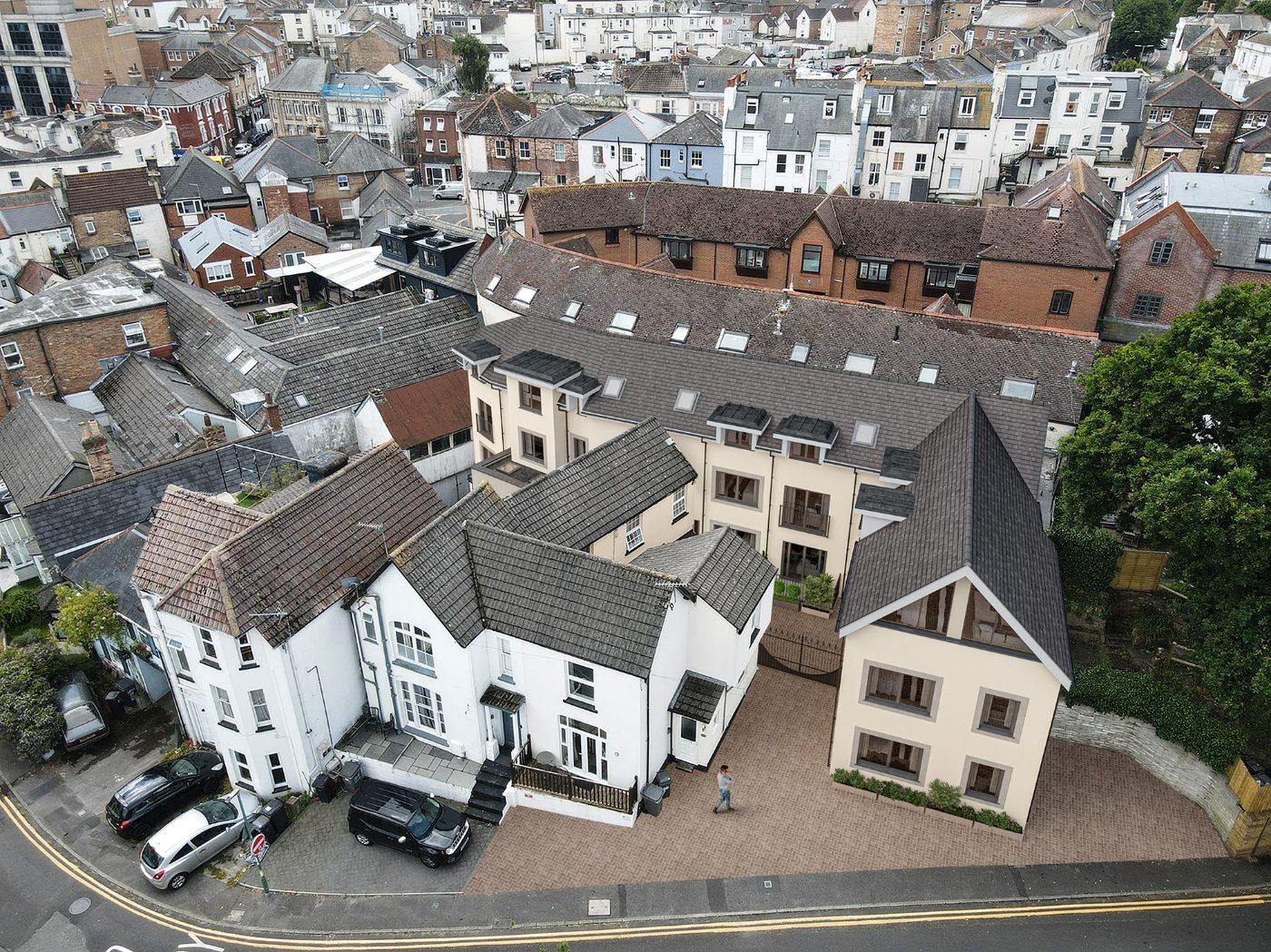
If repairs would take months, or you simply want a clean sale, a cash buyer can take the house as it is. There's no lender to satisfy. We assess properties ourselves and bring in a specialist for structural issues when we need to, and we price in the work openly. At Hillside Road in Wallisdown we bought a refurbishment project that needed a fast exchange and completion, then refurbished and sold it.
Common causes of movement in our area
Every house is different, but engineers often look at the same few causes:
- Trees and shrinkable soil. Large trees near a house can draw moisture from clay soils in dry summers, causing seasonal movement.
- Leaking drains. Water escaping from old drains can wash away or soften the ground under foundations.
- Shallow foundations on older houses, or extensions built on different foundations from the main house.
- Removed walls or chimney breasts without proper support, which isn't subsidence but can look like it.
Knowing the likely cause matters, because it decides the fix. A tree can sometimes be managed; a drain can be repaired; a structural alteration may need retrospective approval.
Repair or sell as it is?
| Option | Pros | Cons |
|---|---|---|
| Investigate and repair, then sell | Wider market; better price | Months of work; costs can grow; insurance and paperwork to finish |
| Investigate, then sell with the reports | Buyers know what they're taking on | Some buyers and lenders will still walk away |
| Sell as it is to a cash buyer | Quick and certain; no repairs to manage | Lower price, reflecting the work and risk |
If you've had structural work done without building control approval, see selling a house with unauthorised work or no building regulations sign-off.
How a structural engineer investigates
- A visual inspection of cracks inside and out, noting their width, shape and direction.
- Questions about the history: when cracks appeared, whether they open and close with the seasons, past repairs and claims.
- Checks around the house: trees, drains, ground levels and nearby changes.
- Monitoring where needed, measuring cracks over months to see if movement is continuing.
- A report with the likely cause and recommended action.
Buyers and lenders put a lot of weight on that report, so it's usually the first thing worth paying for if you suspect movement.
Buying houses with structural issues
We buy houses with movement, cracking and past subsidence across Bournemouth, Poole and Christchurch. We assess them ourselves and bring in a structural specialist when we need one, so we can tell you quickly whether we can help and what we'd pay. Our offer reflects the work, and we'll explain how we reached it.
What to do next
- Gather every report, claim document and certificate you have.
- If the cause isn't known, get a structural engineer's view.
- Tell your solicitor and agent at the start.
- Compare an agent's valuation with a cash offer for the house as it is.
We buy houses with structural issues across Bournemouth, Poole and Christchurch. Read about selling a property that needs work, or see selling a house that needs work: renovate first or sell as it is?