The short version: a cash offer is worked backwards
An estate agent starts with a asking price and hopes a buyer agrees. A cash buyer usually does the reverse. They start with what the property could sell for once it is in saleable condition, then take away everything it will cost them to get there and a fair reward for the risk.
That is why you will often hear the term "below market value offer". Market value simply means the price a property would be expected to achieve on the open market, with a willing buyer, a normal marketing period and no pressure. A cash offer is made without those conditions, so it is priced differently.
In plain terms, most cash offers are built from these pieces:
- The finished value: what a similar home in good order has sold for nearby.
- The work: repairs, updating and anything structural, plus an allowance for surprises.
- The buyer's costs: stamp duty, legal fees and searches on the way in, and selling or letting costs on the way out.
- Time: council tax, insurance and utilities while the work is done, and the cost of having cash tied up.
- A margin: a reward for taking on risk, effort and the chance that the numbers move.
What you get in return is certainty. A cash buyer is not waiting for a mortgage valuation, a survey or a chain, so the offer you accept is the offer you complete on. We cover how that works in practice in how to sell your house fast for cash, so here we focus on the numbers.
Step one: how "market value" is estimated
There is no single official figure for what your home is worth. Buyers and valuers look at recent sales of comparable homes: same street or neighbourhood, similar size, similar condition, similar date.
HM Land Registry publishes the Price Paid Data that most of those comparisons rely on. It is worth knowing its limits. <cite index="19-1">The data does not show the current value of any individual property, only the price paid at the time of sale.</cite> A sale from two years ago needs adjusting for what the market has done since, and for whether that home was in better or worse order than yours.
Source: Price Paid Linked Data (HM Land Registry Open Data)
Area averages are a blunt tool as well. The official UK House Price Index put <cite index="44-6">the average price across Bournemouth, Christchurch and Poole at £307,490 in September 2026, compared with £314,834 a year earlier.</cite> That single figure covers everything from a flat in Boscombe to a detached home near the harbour, so it tells you the direction of travel, not the value of your house. For more on the local picture, see our autumn 2026 house price update.
Source: UK House Price Index England: September 2026 (GOV.UK)
A worked example (hypothetical numbers)
Every figure in this section is a made-up, round-number illustration of the method. It is not a quote, not an average and not a prediction for your home. Real offers depend on the property, the location and the buyer.
Imagine a three-bedroom semi that is dated throughout, with an old boiler and damp in one room. Similar homes in good order nearby have been selling for around £300,000. A cash buyer might work it out like this.
| Line | Hypothetical figure | What it covers |
|---|---|---|
| Value once in good order | £300,000 | What a similar, tidy home might sell for on the open market |
| Less: refurbishment | −£30,000 | Kitchen, bathroom, heating, decoration, damp repairs |
| Less: contingency | −£5,000 | Surprises once floors and walls are opened up |
| Less: buying costs | −£8,000 | Stamp duty, legal fees, searches |
| Less: holding costs | −£3,000 | Council tax, insurance and utilities during works and resale |
| Less: selling costs | −£6,000 | Agent and legal fees when the buyer resells |
| Less: margin for risk and effort | −£20,000 | The buyer's reward for time, risk and tied-up cash |
| Resulting cash offer | £228,000 | £72,000 below the finished value in this example |
Notice that in this example most of the £72,000 gap is not profit. The works, the contingency and the costs of buying and selling make up the bulk of it. The margin is the smaller part.
Now change one thing at a time, keeping every other number the same:
- If the work were £30,000 higher, the offer would be £30,000 lower, at £198,000.
- If the home needed no work, the works and contingency lines drop out and the offer would be £263,000.
- If the finished value were lower, every other deduction stays put, so the offer falls pound for pound.
That is the core of how cash offers are calculated. The condition of the property moves the number far more than the buyer's mood does.
On stamp duty, a note of caution. The buyer pays it, but what they pay depends on who they are. <cite index="9-2">The government raised the higher rates on additional residential purchases by individuals, and on residential purchases by companies, to 5 percentage points above the standard rates.</cite> It is a real cost in the buyer's sums, which is one reason offers differ between buyers.
Source: Stamp Duty Land Tax: increase to the higher rates on additional dwellings (GOV.UK)
What you would actually receive: comparing like with like
Putting a cash offer next to an asking price is not a fair comparison. An asking price is a hope. A cash offer is a figure you can plan around. A fairer test is to estimate what you would be left with from each route.
Here is another hypothetical, using the same house. Suppose it is listed at £300,000. After a survey flags the damp and the boiler, the buyer renegotiates and the sale agrees at £265,000. After £6,000 of selling costs you would net £259,000. That is about £31,000 more than the £228,000 cash offer. It also comes after months of marketing, a mortgage valuation, a possible chain and the chance the sale falls through.
Those numbers are invented to show the method. In real life the open-market route might do better or worse than that. What matters is that you run the sums for your own situation. Our guide to what it costs to sell a house lists the costs to include.
| Factor | Open-market sale | Cash sale |
|---|---|---|
| Price | Asking price, then negotiated | Offer worked back from finished value |
| Mortgage valuation and survey | Usually involved, and can lower the price | Not needed when the buyer is paying cash |
| Timing | Depends on the buyer's chain and lender | Often set by you, quick or delayed |
| Fall-through risk | Real, especially in a chain | Much lower with a funded buyer |
| Marketing and viewings | Photos, listings, viewings | Usually none |
What pushes an offer up or down
- Condition: the biggest factor. Cosmetic work costs far less than structural repairs, damp or an out-of-date electrical system.
- Unusual problems: subsidence, Japanese knotweed or spray foam insulation can add cost and uncertainty. See our guides on selling a house that needs work, subsidence and spray foam.
- Tenants in place: a property with sitting tenants is harder to resell or refurbish, which can affect the price.
- Speed and flexibility: a very fast completion costs the buyer something. A flexible, later completion can sometimes suit both sides.
- The local market: if prices in your area are softening, the finished-value figure comes down with them.
- The buyer: different buyers have different costs, plans and appetite for risk, so offers can differ.
How to judge whether an offer is fair
You do not have to take any offer at face value. A reasonable buyer should be able to explain it. Here are some sensible questions to ask:
- What finished value are you using, and which sales support it?
- What work have you allowed for, and roughly what does it cost?
- Are there any fees, deductions or conditions after the offer is agreed?
- Will you exchange without a survey, and is the offer fixed if you do?
- How is the purchase funded, and can you show proof of funds?
- What timescale can you really commit to, and can completion be delayed to suit me?
Be wary of any buyer who will not say how they reached their number, or whose figure falls once the survey is done. Our guide to choosing a cash buyer you can trust goes through what to look for. Getting two or three offers and comparing them is entirely sensible.
What Summit's past deals show
Summit is an independent company that funds its own purchases. We do not rely on a mortgage or wait for investors, which keeps the timing in our hands rather than a lender's. A few of our purchases show how flexible the timing can be.
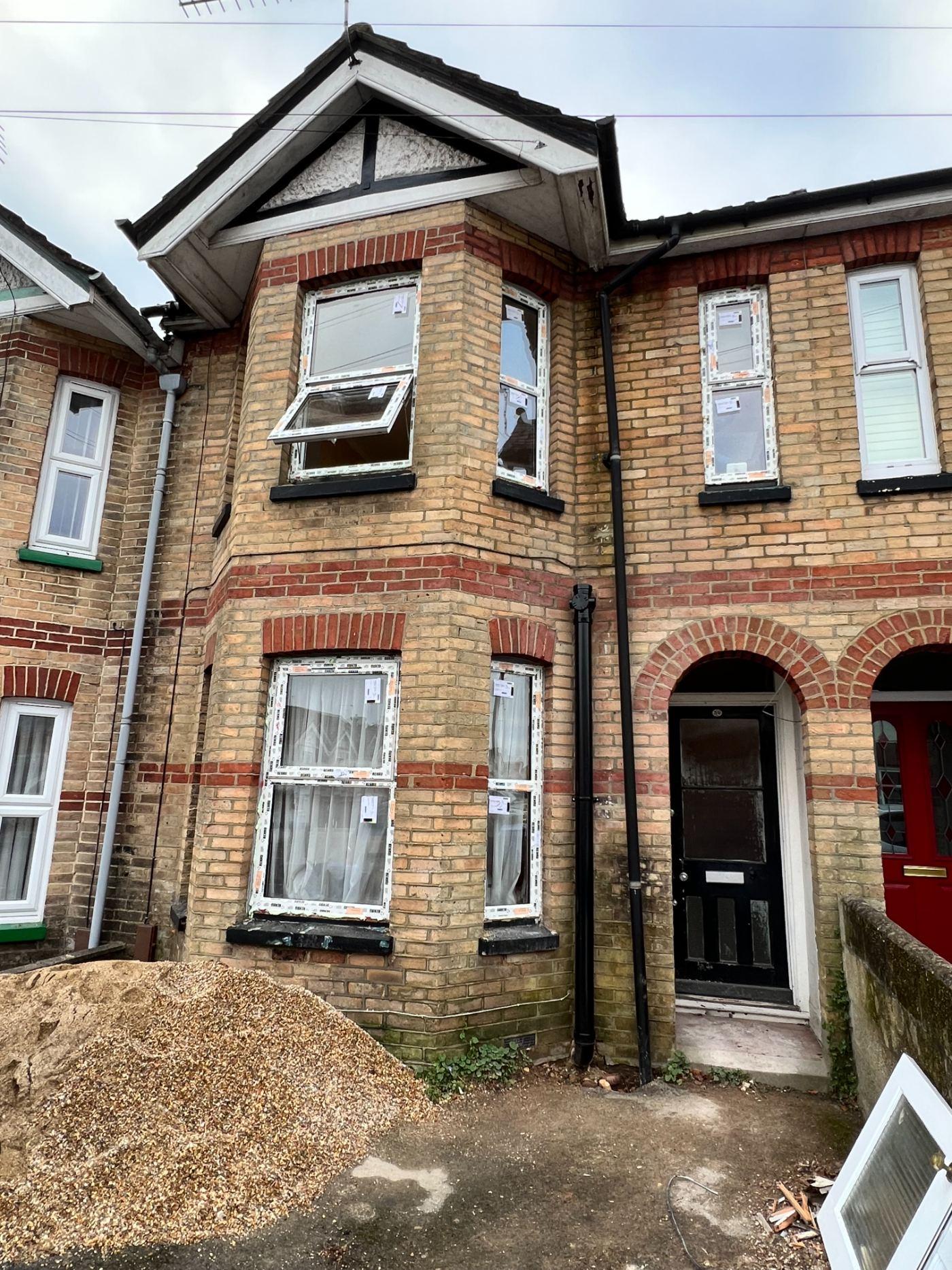
- Grove Road East, Christchurch: a Victorian property needing refurbishment throughout, where the seller needed a fast exchange and completion. We completed in four days.
- Carlton Avenue, Barton-on-Sea: an off-market sale because of the property's condition. We exchanged within a week and agreed to delay completion by three months so the seller could complete their onward purchase.
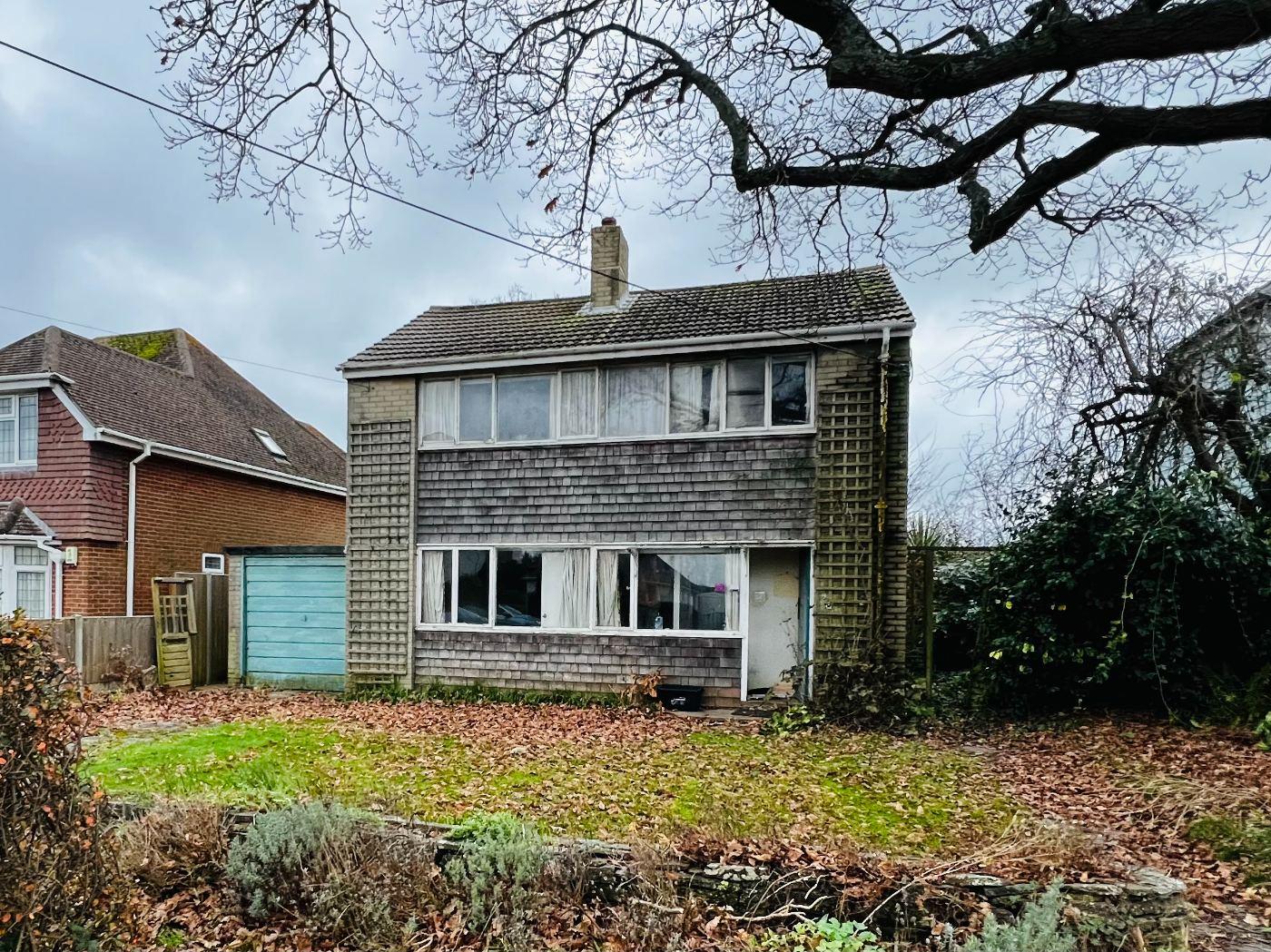
- Firs Glen Road, Talbot Park: a property needing refurbishment and with foam insulation to be removed. We exchanged contracts without carrying out any surveys and delayed completion to suit the seller.
Each of those sellers weighed speed or flexibility against price. That trade-off is the heart of any quick sale.
What to do next
If you are comparing offers, start by working out what you would need to net, and how soon. Then ask each buyer to show how they reached their figure. Check the sold prices of similar homes nearby on the Land Registry's free search, and keep a note of any work you already know the property needs.
When you are ready, you are welcome to talk to Summit. Tell us about the property and what matters most to you, whether that is speed, a later completion date or simply a straight answer. We will explain how we have reached any figure, and there is no pressure to accept. You can find out more on our selling your property page, or call us on 01202 836 215.