Step 1: find out whether there's a plot
Before anything else, you need an honest view of whether a new home is likely to get planning permission. A developer with in-house planners can usually tell you within days, for free, by looking at access, the size and shape of the plot, the street, the neighbours, trees and local protections. Our guide is my garden big enough to build a house on? covers what they look for.
Step 2: decide how you want to sell
There are three common ways to sell a garden plot. Each shares the planning risk differently.
| Route | How it works | Best when |
|---|---|---|
| Outright sale | The buyer pays a fixed price now and takes the planning risk | You want certainty and speed |
| Conditional contract | Contracts are exchanged now; completion and payment happen only if planning is granted | You want a higher price and can wait a few months |
| Option agreement | The buyer pays a fee for the right to buy later, usually once planning is granted | Larger or more complex sites |
For most single garden plots, the choice is between an outright sale and a conditional contract. We explain the differences in more detail in option agreements, conditional contracts and outright sales.
Step 3: agree the price
A developer values a plot by working backwards from the finished home: what it would sell for, minus the cost of building it, fees, planning costs, any local contributions and their profit and risk. This is called a residual valuation. A plot with planning is worth more than one without, because the biggest risk has gone.
Ask the buyer to show you their working. A realistic figure explained clearly is worth more than a high headline price that may be cut later.
Step 4: planning (if you're selling subject to it)
Under a conditional contract, the buyer designs the scheme, pays for the application and deals with the council. You'll be asked to sign the application form as the owner, and you'll usually agree not to object. A decision on a minor application normally takes eight weeks from validation, longer if there are issues or a committee meeting.
Step 5: splitting the title
When the sale completes, the plot is split from your existing title using HM Land Registry's transfer of part (form TP1), with a plan showing the new boundary. The solicitors also agree the rights each property needs, such as access, drainage and services, and any rules about boundary fences or how close windows can be.
If your house has a mortgage, your lender will need to agree to release the plot from its charge. Your solicitor arranges this, but tell your lender early.
Source: Registered title(s): part transfer, form TP1 (HM Land Registry)
Tax to check
Selling part of your garden can have tax consequences. The relief that usually stops you paying Capital Gains Tax on your home doesn't always extend to land sold separately, particularly if the garden is very large or you sell the land after the house. Speak to an accountant before you agree a deal, and see HMRC's guide to tax when you sell your home.
Source: Tax when you sell your home (GOV.UK)
Think about how you'll live next to the new home. Ask to see the design early, and agree things like boundary treatment and the build programme in the contract.
A local example
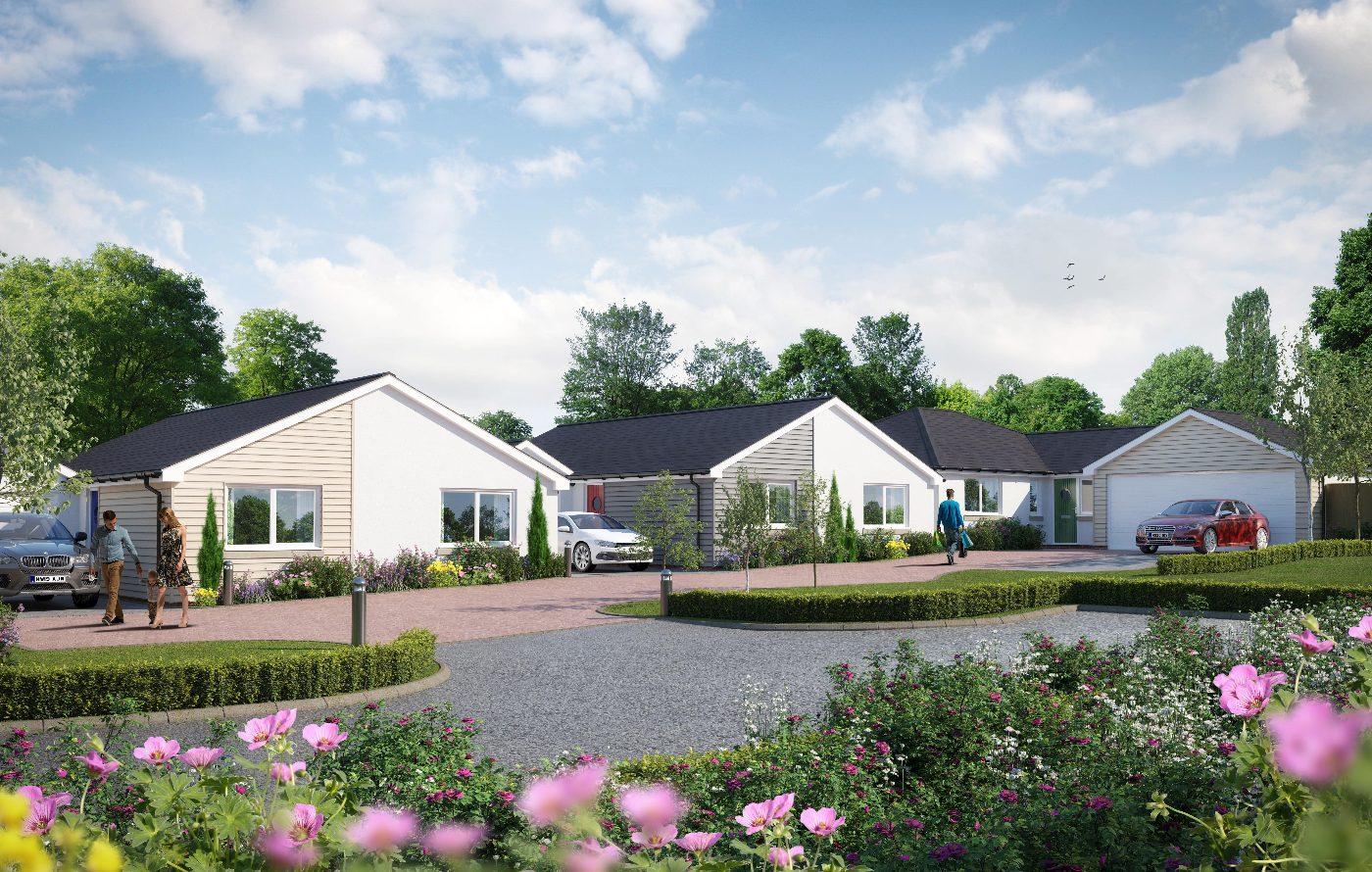
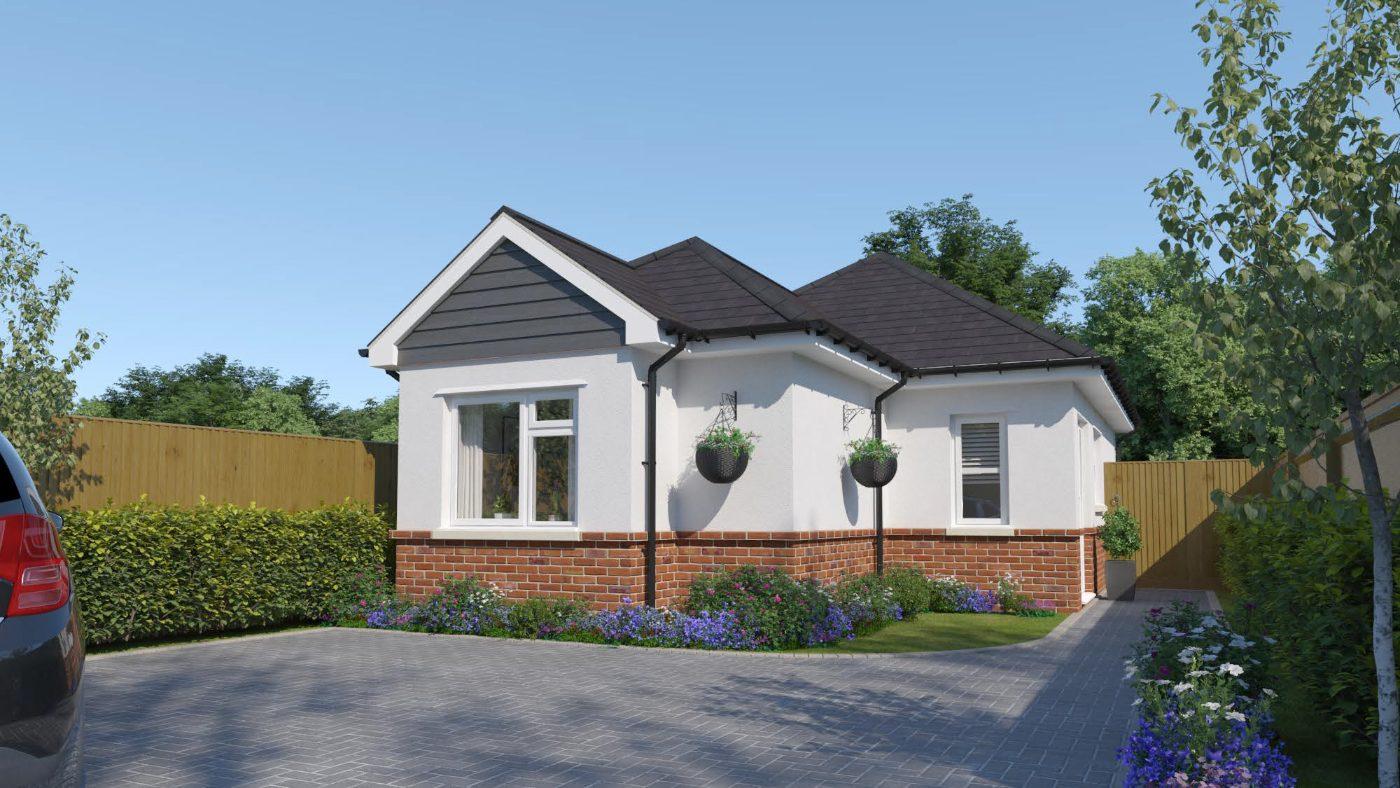
At Livingstone Road in Wimborne, a house with a very large rear garden gave a plot for a new detached bungalow. Planning was granted, the bungalow was built and let for two years, and has since been sold. The existing house kept its own garden.
Living next door during the build
Selling part of your garden means a building site next to your home for a while. A good buyer will plan for that with you before contracts are signed, not after. Things worth agreeing in writing:
- Boundary treatment: the type and height of fence or wall between you and the new home, and who pays for it.
- Working hours and access: how contractors will reach the plot, and whether any of your land will be used for access during the build.
- Protection of your property: hoarding, dust control and making good any damage.
- Services: whether new drains, water or cables need to cross your land, and the rights the new home will need.
Your solicitor can put these into the contract and the transfer. It's much easier to agree them up front than to sort them out once work has started.
Questions to ask any buyer
- Will you buy now, or only once planning is granted? What's the price either way?
- Who pays for the planning application, surveys and my legal costs?
- What exactly do you plan to build, and can I see the drawings before you apply?
- What happens if planning is refused? Can you appeal, and how long would that tie up my land?
- Is the money yours, or do you need a lender or investor to approve the deal?
- Have you built on garden plots near here before? Can I see them?
The answers tell you a lot. A buyer who can show you finished homes on similar plots, and who funds the purchase themselves, is far less likely to let you down at the last minute.
Garden plots we've built on
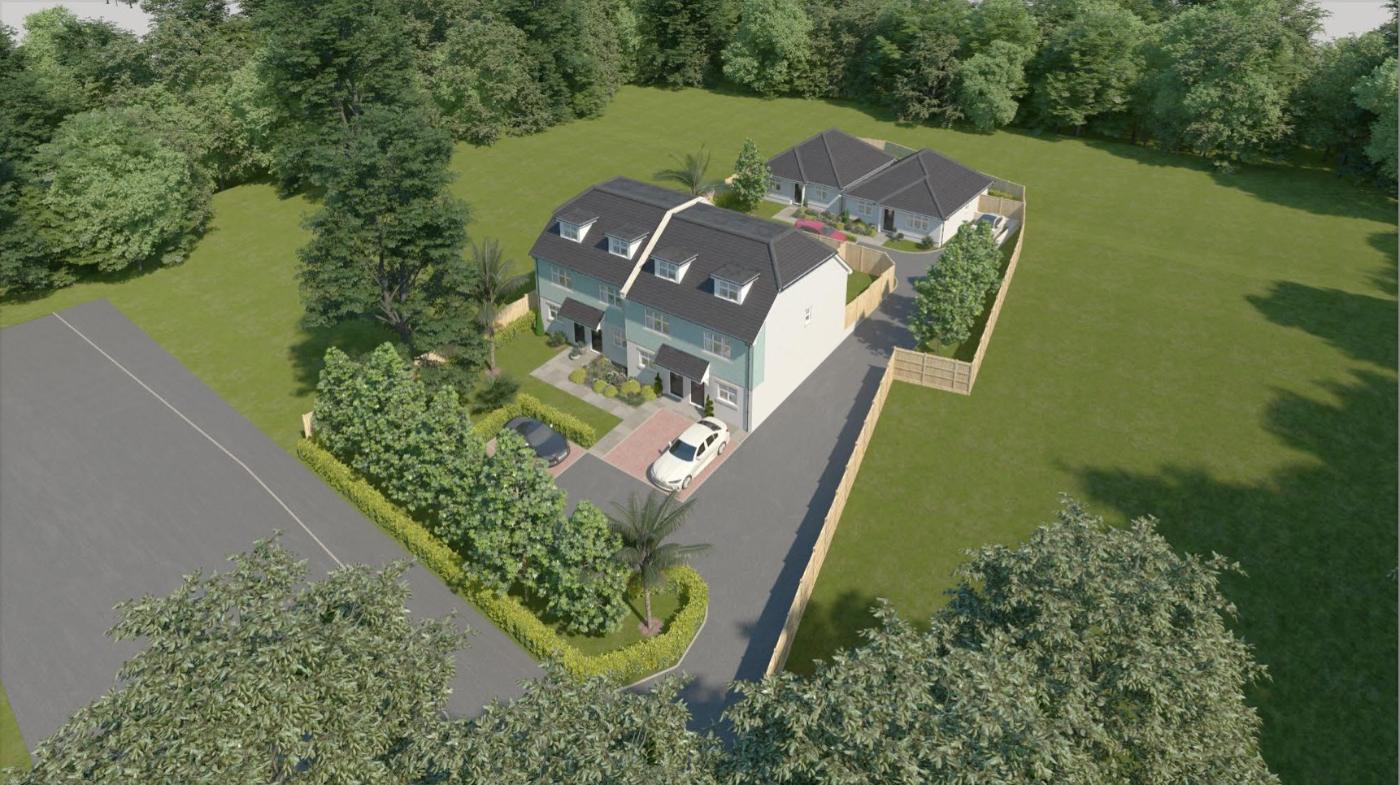
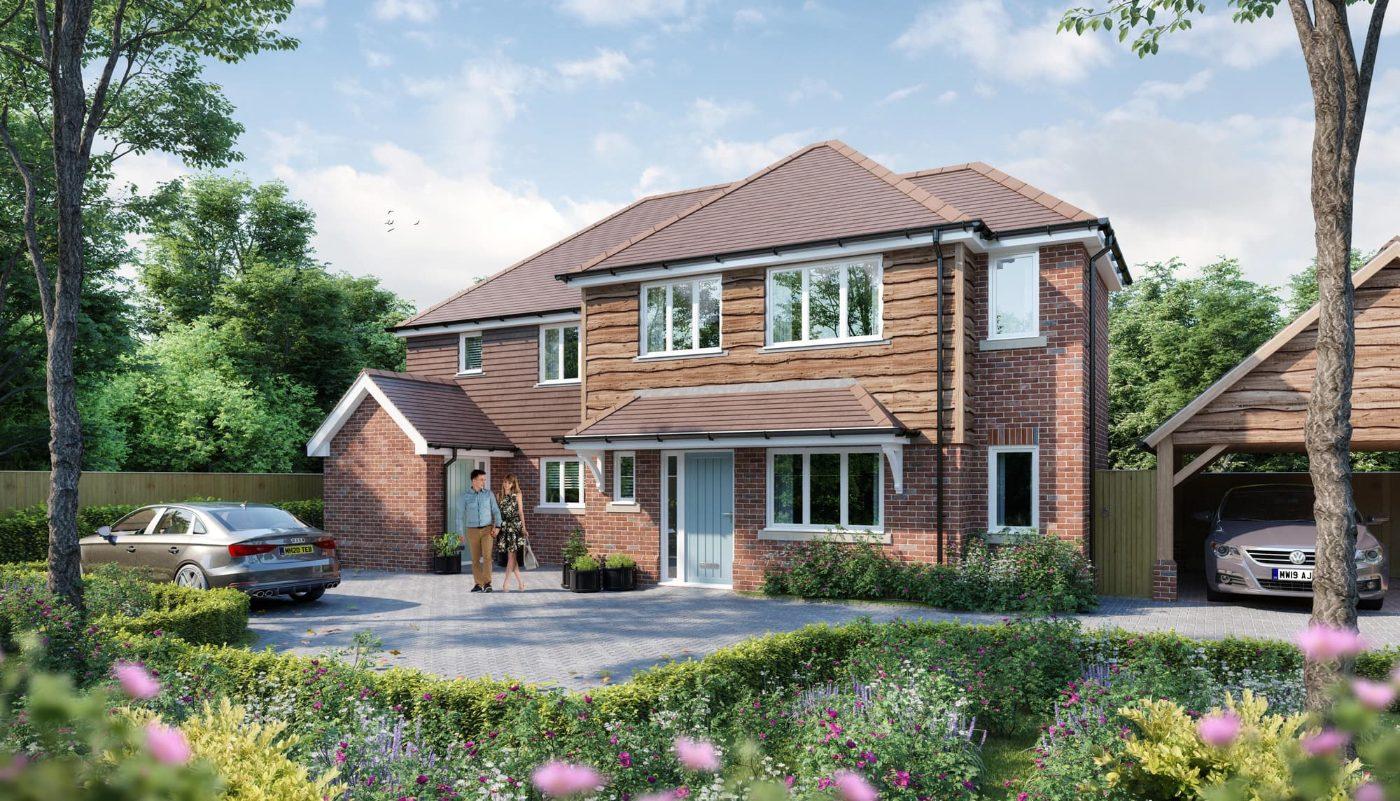
Two examples show what a successful garden plot can look like. At St. Leonards near Ringwood, a bungalow was built on a plot severed from an existing house; construction took just over six months and the new home was sold to a young couple buying their first home. At Livingstone Road in Wimborne, a detached bungalow was built on a plot taken from a very large rear garden, let for two years and then sold.
In both cases the owners kept a house with a good-sized garden, and the new home was single-storey to protect the neighbours' privacy. That combination, a sensible plot, a modest design and careful attention to the people next door, is what most successful garden schemes have in common.
Timescales from first call to payment
| Stage | Outright sale | Sale subject to planning |
|---|---|---|
| Initial view of the plot | Days | Days |
| Agree terms | 1–2 weeks | 1–2 weeks |
| Legal work to exchange | 4–8 weeks | 4–8 weeks (conditional contract) |
| Design, surveys and application | Not needed | Typically 1–3 months |
| Council decision | Not needed | Normally within 8 weeks of validation, longer if contentious |
| Completion and payment | At or soon after exchange | Shortly after permission is granted |
These are typical ranges, not promises. A plot with complications such as protected trees, a long access drive or heathland mitigation can take longer; a clear, simple plot can move faster.
What to do next
- Send us your address and a rough idea of the garden size for a free view.
- Get your house valued with and without the plot.
- Decide whether you prefer certainty now or a higher price later.
- Speak to an accountant about any tax before you sign.
See how we buy garden and infill plots, with or without planning.