Why relocation sales are different
Most sellers can wait for the right buyer. If you're starting a job in another city, joining family abroad or have already bought elsewhere, you often can't. A sale that drags on, or falls through at the last minute, can mean paying for two homes or putting a move on hold.
Start with the paperwork
Whichever way you sell, the legal work goes faster if you're ready. Before you go:
- Instruct a solicitor and complete the property information forms early.
- Find guarantees, certificates and planning or building control approvals for any work.
- Get a valid Energy Performance Certificate if you don't have one.
- Ask your lender for a redemption figure and any early repayment charge.
- Arrange how keys and viewings will work once you've gone.
Source: How to sell a home (GOV.UK)
Selling from a distance
You don't need to be in Dorset to sell. Solicitors can verify your identity and handle documents remotely, and an agent or buyer can hold keys. If you'll be abroad, check early how you'll sign the contract and transfer deed, and allow time for any document that needs witnessing.
Fit the dates to your move
The most useful tool for relocating sellers is a delayed completion: exchange contracts as soon as the paperwork is ready, so the sale is binding, then complete on a date that suits your move. We explain how it works in chain-free sales and delayed completion.
| Your situation | What usually works |
|---|---|
| You must move by a fixed date and want the money then | Exchange early, complete on your date |
| You've moved and the house is empty | A quick sale to reduce bills and risk |
| You haven't found your next home | Exchange now, delay completion until you have |
| You're selling a rental as well | Sell with tenants in place to an investor |
Two local examples
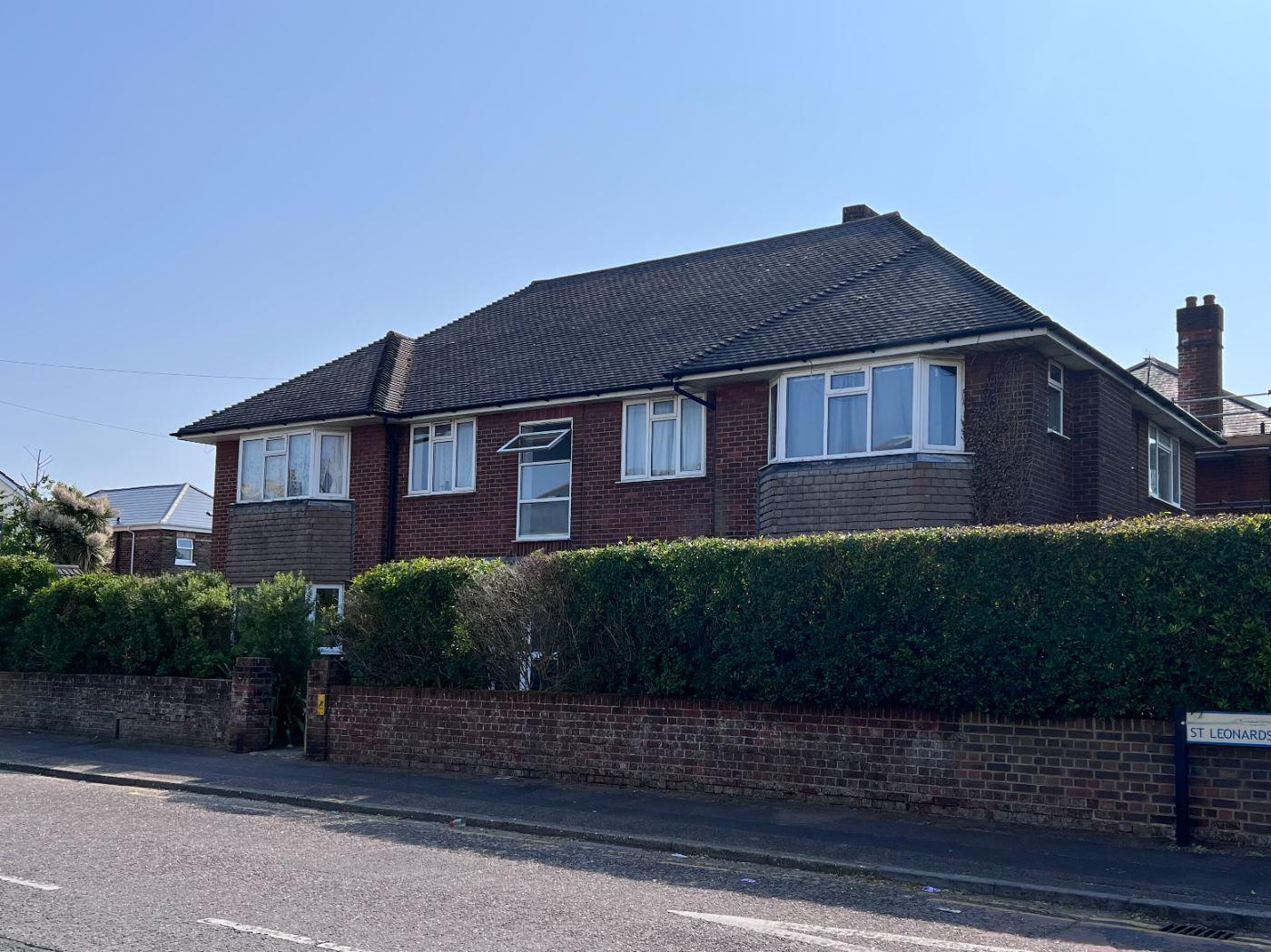
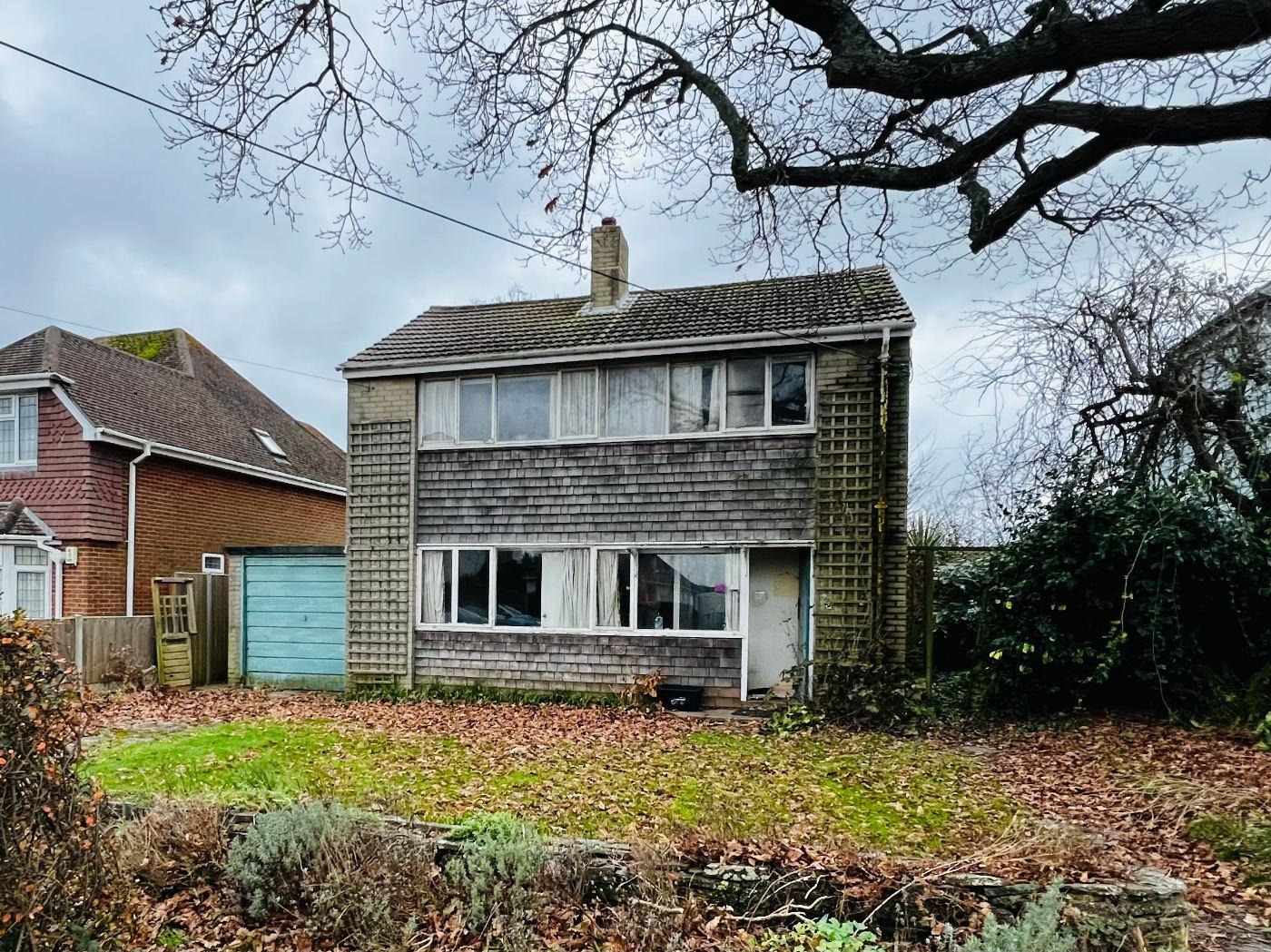
At Bearcross Avenue in Bournemouth, the seller wanted a quick sale because he was relocating. We exchanged within weeks and delayed completion until he'd found his onward purchase. At Carlton Avenue in Barton-on-Sea, a seller who'd owned the house since it was built in the 1950s was relocating; we exchanged within a week and delayed completion by three months to let them complete their onward purchase.
An empty house needs the right insurance. Check your policy's conditions for unoccupied homes as soon as you move out.
A relocation timeline that works
| When | What to do |
|---|---|
| As soon as the move is likely | Get a valuation and a cash offer so you know your options; instruct a solicitor |
| Two to three months before | Gather paperwork, get an EPC, decide whether you need certainty or the highest price |
| Once you've agreed a sale | Push for an early exchange, with completion fixed around your move |
| Moving week | Meter readings, keys, redirect post, tell the council and insurer |
| After you've gone | If the house is still unsold, check empty-property insurance and arrange regular checks |
Renting while you look, or buying straight away?
Many relocating sellers rent at first in the new area. It breaks the chain on the buying side, gives you time to learn the area, and lets you sell your current home on its own timetable. The cost is two moves and some rent. Others prefer to buy straight away and need the sale and purchase to line up, which is where a delayed completion helps: you exchange on the sale early and complete on the same day as your purchase.
There's no right answer. What matters is choosing deliberately rather than ending up with two mortgages, or a sale that collapses the week before you start a new job.
If your employer offers relocation support, check what it covers. Some packages help with agent fees, legal costs or temporary accommodation.
Leaving the house empty
If you've already moved, an empty house brings its own costs and risks. Check your insurance for unoccupied-property conditions, such as regular inspections and turning off the water. Ask a neighbour or agent to keep an eye on it, keep the heating on low in winter to prevent burst pipes, and make sure post doesn't pile up. Council tax normally remains payable on an empty home.
The longer a house stays empty, the more these costs add up, which is why many relocating sellers look for a quick, certain sale once they've moved.
Questions to ask a buyer when you're relocating
- Can you exchange quickly and complete on a date I choose?
- Can you deal with my solicitor and handle keys if I'm not there?
- Will you take the house with some furniture or contents left, by agreement?
- Is the money yours, or do you need a mortgage or investor?
- What happens if my move date changes?
Clear answers to these make a sale from a distance far less stressful.
Selling a rental or second home as well
If you're relocating and also own a rental, consider whether to sell both at once. Selling the rental with tenants in place avoids notice periods, and selling to one buyer can save legal costs. If it isn't your main home, Capital Gains Tax may be due within 60 days of completion. See selling a tenanted property and Capital Gains Tax on a second home or rental.
What to do next
If you're moving away and want certainty on dates, tell us when you need to go. We fund our purchases ourselves, so there's no chain or mortgage, and we can fit completion around you. See how selling your property to us works.